
World Health Organization
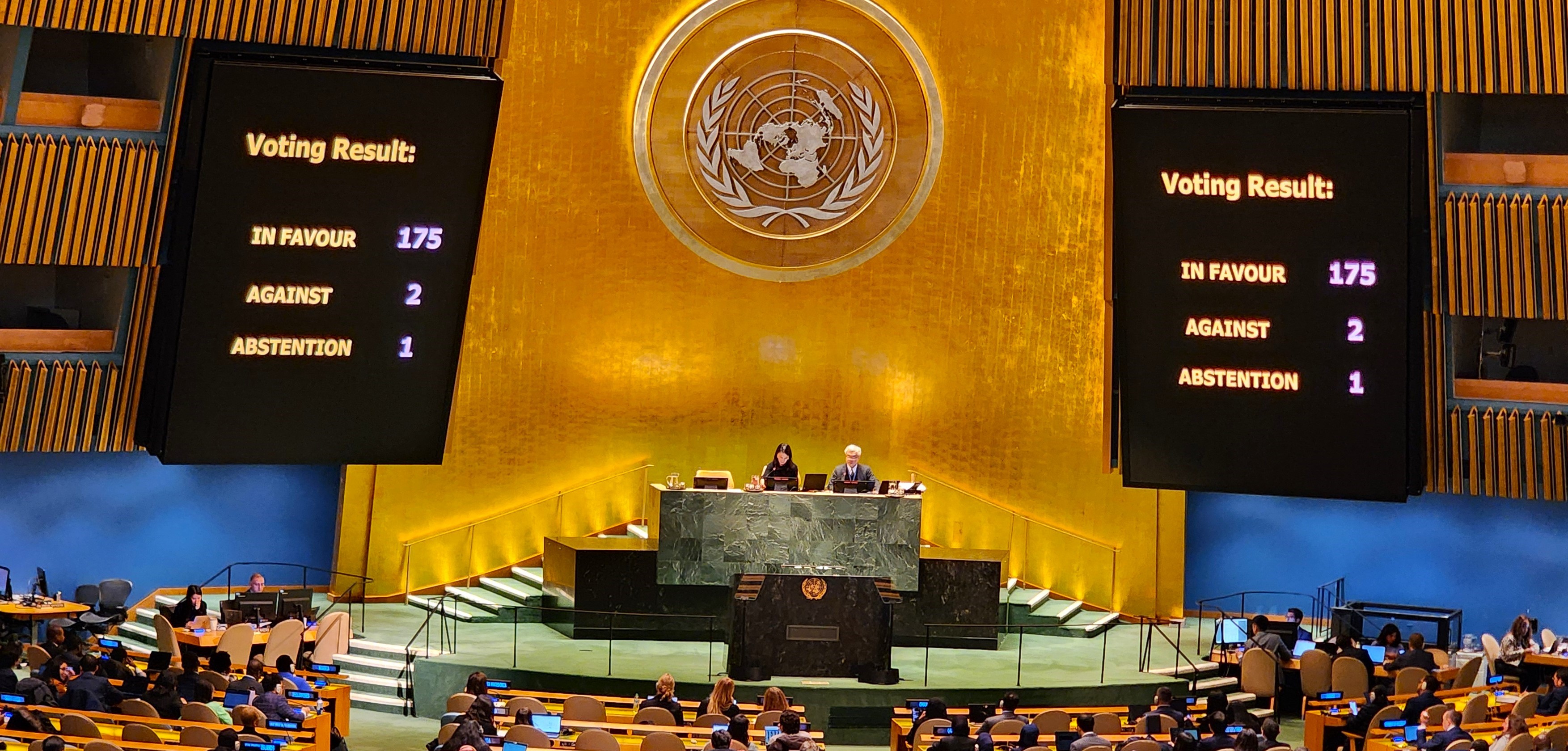
HLM4 Political Declaration on NCDs and Mental Health adopted
Meaningful Engagement of People with Lived Experiences
16 Dec 2025
World Health Organization | 30 Mar 2026
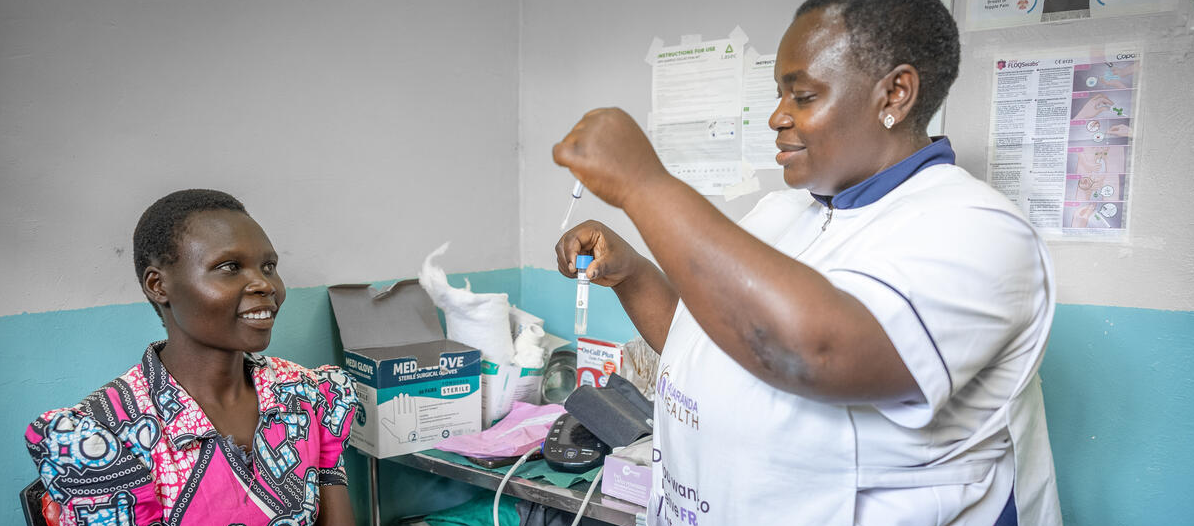
Every year in September, the World Patient Safety Day creates global momentum to reduce avoidable harm in health care. This year’s priority theme is safe care for noncommunicable diseases (NCDs), the world leading cause of premature, avoidable death. A dedicated workshop with people living with NCDs and healthcare professionals organized by the World Health Organization (WHO) helped identify key messages for the global campaign.
Held in early March 2026, the dedicated workshop hosted twelve lived experience advocates and health workforce specialists along with WHO teams on Patient Safety, NCD management, at the Global Coordination Mechanism on NCDs (GCM/NCD). The virtual session offered a forum to discuss patient safety challenges unique to people and communities living with and affected by NCDs, identify key campaign messages, and ensure inclusive and empowering language across the planned campaign.
As many NCDs are chronic health conditions that require long-term management or care, people living NCDs are repeatedly exposed to healthcare risks and hazards. They typically rely on health systems across multiple entry points and while transitioning across different levels of care or facilities. At the same time, many people live with multiple NCDs or risk factors – for example cardiovascular diseases, diabetes, respiratory diseases and cancer – and are hence navigating multiple treatment paths and medications simultaneously. This can further increase risks of errors, misuse, adverse reactions, or other safety or quality issues.
While efforts to improve patient safety often take place in hospitals or health centres, risks for people living chronic health conditions also emerge in their everyday lives and while self-managing care. Raising awareness for safe prevention and care on NCDs remains challenging, as many chronic health conditions and major risk factors are invisible to peers and care providers.
A person’s risk of being exposed to unsafe care is exacerbated by social determinants of health such as poverty, economic disparities, conflict & emergencies, gender, or age, etc. Inequitable access to screening and healthcare facilities, for example, increase patient safety risks – particularly in in low-income settings and among or vulnerable groups.
Similarly, power imbalances and low health literacy and stigma within a community can create an environment where people do not feel safe to seek care without judgment and blame, or do not have the psychological safety to speak up about safety risks or the harm they are experiencing.
Importantly, these social, political or environmental drivers often remain outside of the control of people. Addressing them requires reducing the power imbalances, through a rights-based approach to health and the meaningful inclusion of people with lived experience in all health-related decision making.
To strengthen and advance patient safety for people living with NCDs, it is fundamental to recognize lived experience as a form of expertise and see people as active partners in safe care rather than passive patients. A people-centred approach to safe care focuses on a person’s comprehensive wellbeing rather than on traditional disease management alone. This requires medical models and treatment plans that are tailored to the realities of people’s lives, including their living conditions, work contexts, and mental health needs.
Meaningful engagement and ownership of care among people with lived experience can also lead to improved trust in healthcare providers and a better understanding of potential risks, and safer and more effective self-management.
‘Safe care for noncommunicable diseases’ has been selected the theme for World Patient Safety Day 2026. Under the slogan ‘Safe care for life!’, the campaign will highlight the importance of preventing harm across the continuum of NCD care and in preserving quality of life.
Meaningful Engagement of People with Lived Experiences
16 Dec 2025
Multisectoral Action
18 Sep 2025
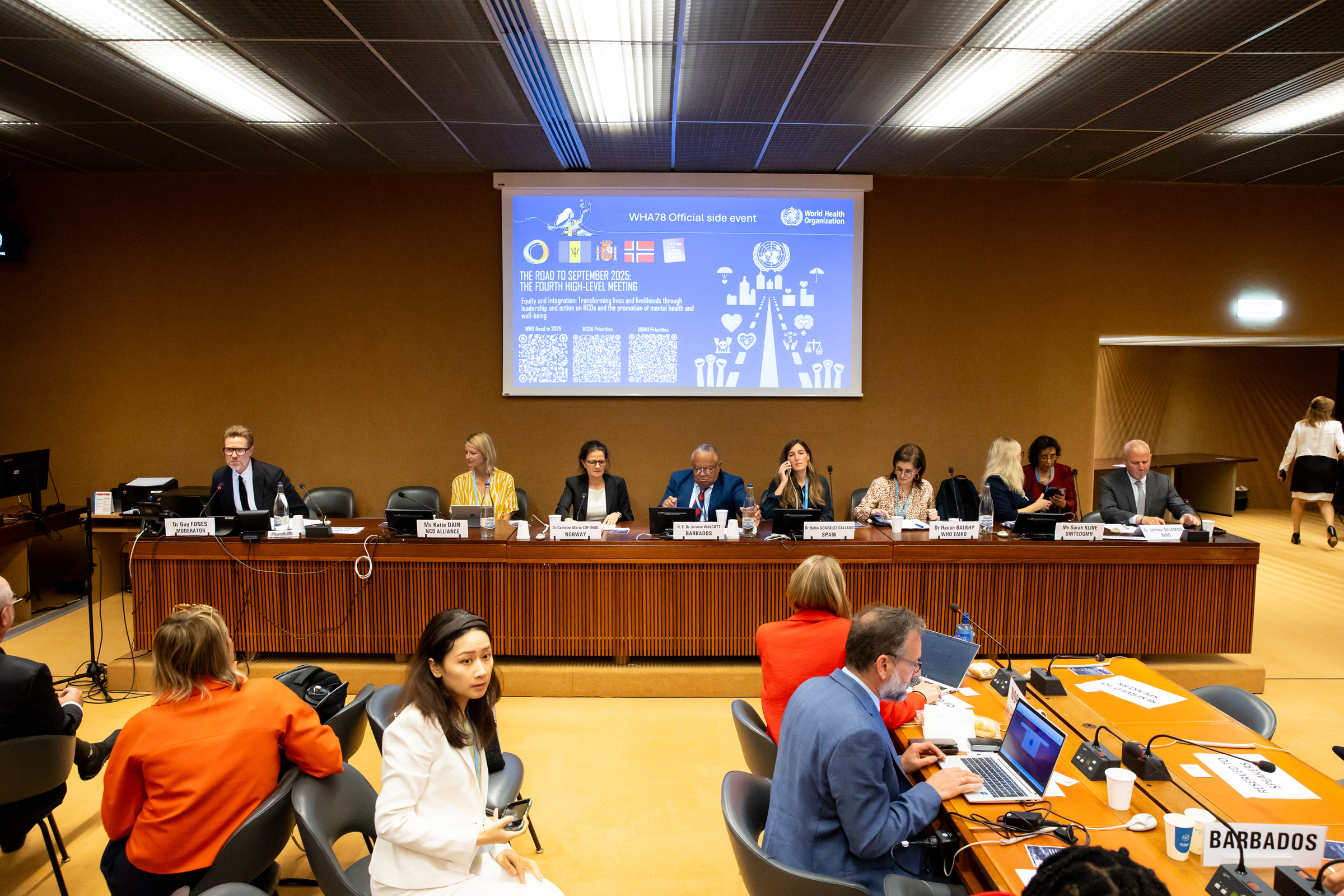
Meaningful Engagement of People with Lived Experiences
28 May 2025
Meaningful Engagement of People with Lived Experiences
27 May 2025

Meaningful Engagement of People with Lived Experiences
06 May 2025
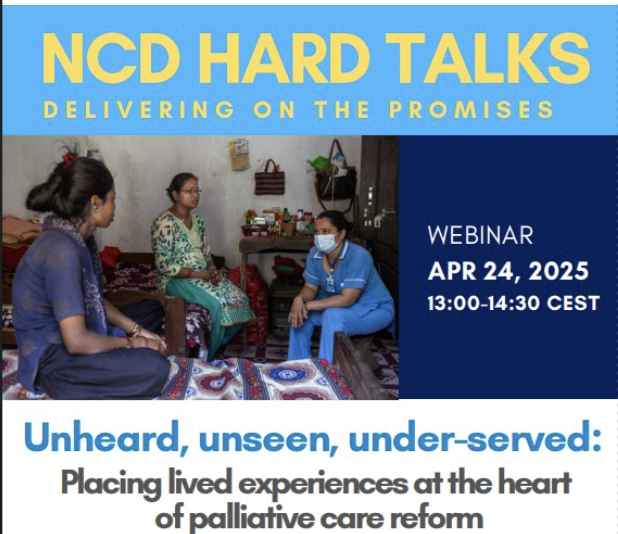
Meaningful Engagement of People with Lived Experiences
01 May 2025