
World Diabetes Foundation
Challenging the food culture of the Marshall Islands
Civil Society Working Group
26 May 2026
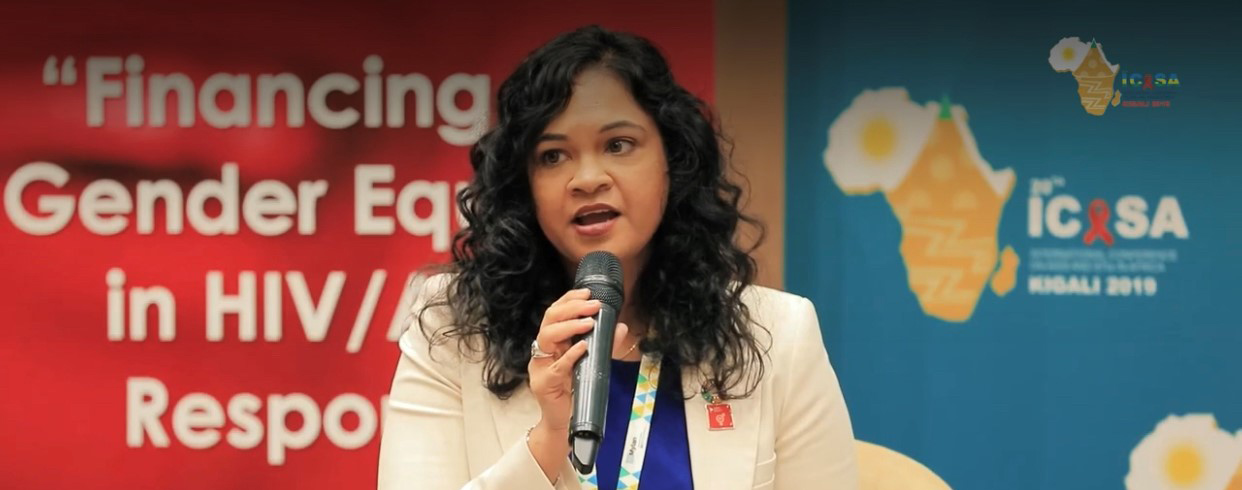
Lavanya Vijayasingham | 12 Dec 2025
This article is part of the Lived Experience Perspectives Series, which features firsthand accounts from individuals living with noncommunicable diseases, mental health, or neurological conditions. Each piece highlights one of the key advocacy messages from the WHO Symposium on the Meaningful Engagement of People Living with NCDs, Mental Health, and Neurological Conditions , contributing to global advocacy efforts in the lead-up to and beyond the Fourth High-Level Meeting of the UN General Assembly on NCDs and Mental Health in September 2025.
This article highlights:
My life with multiple sclerosis (MS) is not something I disclose lightly working in global health. I wear two hats: scientist and patient. With one, I am expected to publish, cite, and analyze others’ lives with objective precision. With the other, I am asked to narrate my own lived experience.
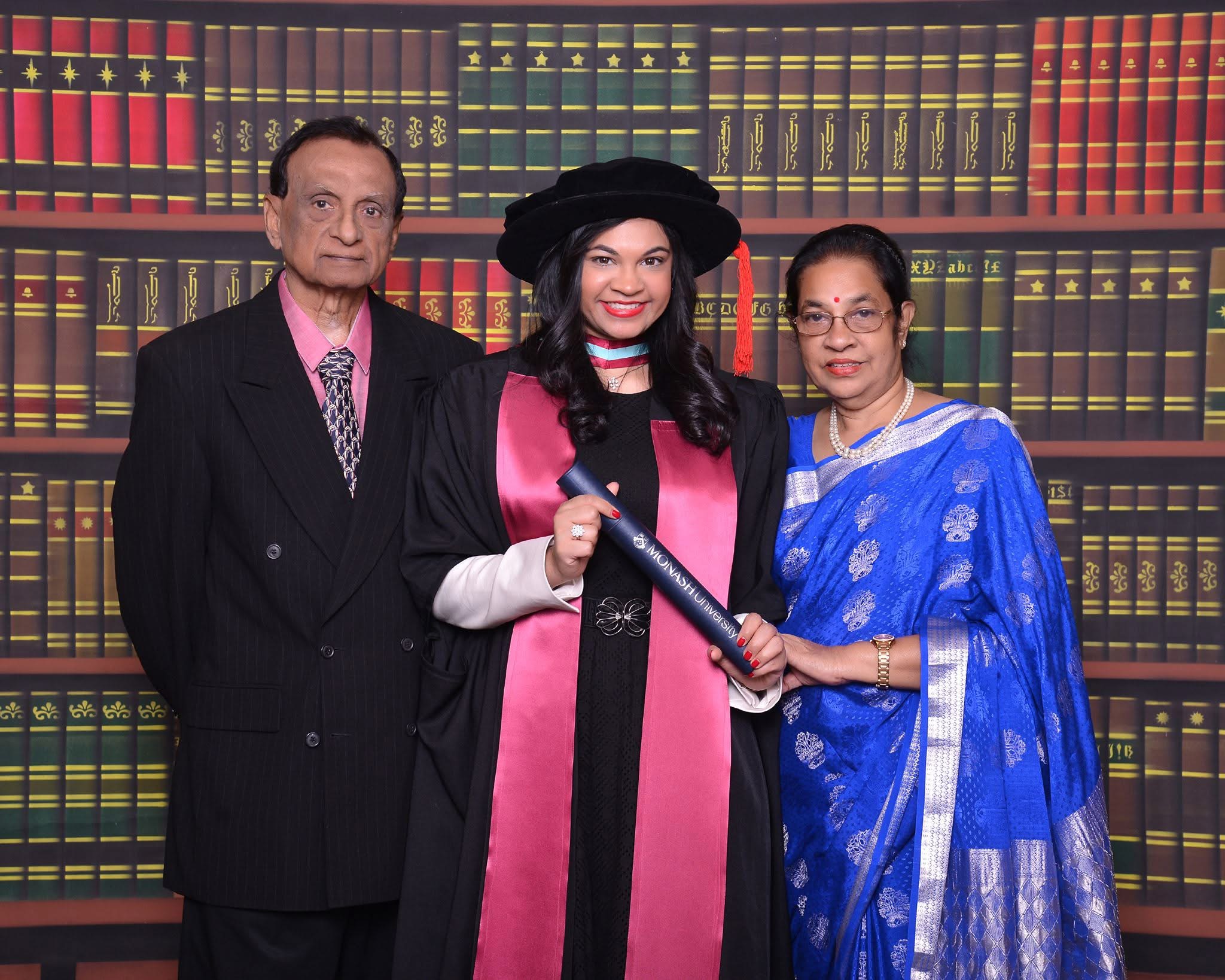
Being diagnosed with MS largely influenced my career shift towards lived-experience research. Living in Australia at the time, I was referred to a clinical psychologist in the early months after my diagnosis. She disclosed her own MS diagnosis to me up front. She told me how her diagnosis at the start of her PhD candidature prompted her to align her research with her own lived experience. Her disclosure helped me better relate to her advice. At the time I met her, I had already obtained a Master's degree in Public Health. The psychologist provided me with coping resources, and she also planted an idea in me. A few years later, I began a PhD, also using my personal experience as a compass for my research journey.
For my PhD study on the work lives of people with MS in Malaysia, disclosing my own diagnosis to participants, or rather my peers, elicited long interviews with rich, complex insights that I had not seen reported in the published literature. I saw their body language grow less tense and more open after I disclosed my own diagnosis. Additionally, my analytical lens in listening, understanding, coding and then reporting their experiences was sharply focused by my own lived experience.
For a researcher with an ‘outsider’ lens, community access and trust are professional capital, as these build windows into the internal and private realms when researching the ‘other’. For a researcher with an ‘insider’ lens, a position of disadvantage can become a privileged vantage point. Our lived experiences as patients, caregivers, or family members can shape what we choose to study, how we ask questions, and indeed how we interpret data. Beyond illness, every researcher carries a backstory that directly or indirectly influences their work. This is why positionality and reflexivity matter. We are never tabula rasa, an empty slate.
So why do so few global health research and academics draw openly on their insider experience? Fear. Stigma, discrimination, doubts about capability, and weak disability protections keep many of us silent, especially in fields that prize “objectivity.” Since sharing my own story, many researchers and policymakers have reached out privately, navigating their own or a loved one’s illness in silence. Senior scholars have been advised not to disclose in grant applications lest funders question their productivity. Without role models or strong safeguarding, disclosure can feel like career self-sabotage.
When global health solutions are designed only by those insulated from the realities of deprivation, violence, and chronic illness, however, their imaginations are limited and certain ideas never arise. Siloed thinking and sidelining diverse lived experiences cannot effectively or efficiently solve complex health problems. Our lived experiences can help triangulate perspectives, expose blind spots, and reveal the real-world context where systems succeed or fail.
To flip the script, we must create cultures and policies where illness disclosures carry no penalties for anyone, across all contexts. Lived experience must be seen as a source of authority and transformative power. Until lived knowledge is valued alongside academic and clinical expertise, many professionals will continue to hide their stories and insights, missing the opportunity to tap into their tacit knowledge shaped by their diverse personal illness, access to resources, and opportunities to heal.
Lived experience insights conveyed in the first-person voice of lived experience experts are not just stories to inspire empathy or humanize data; they are vehicles of change. Knowing how many patients sat on a panel tells us nothing about whose ideas shaped outcomes or whether their insights were integrated into actions and policies. Traditional indicators, such as attendance, representation, and diversity counts portray presence but not power.
In short, we must prioritize learning over compliance, focusing on outcomes rather than simple outputs. A meaningful metric is not just how many people with lived experience were invited into the room, but whether systems learned, adapted, and changed because they were there to speak their truth.
These suggested indicators may expose uncomfortable gaps between stated or aspirational values in frameworks versus what is actually evident in practice. However, meaningful metrics are not just compliance report cards; they are learning tools for strengthening systems and, ultimately, re-configuring shared power.
As both a scientist and patient, I know the difference between being asked to inspire and being invited to influence. The former drains; the latter empowers. Lived experience is not a personal narrative to be hidden or managed; it is research capital, leadership capital, and systems-change capital.
Health systems and the global health knowledge ecosystem benefit when lived-experience insights are normalized and protected. This requires environments that value insider knowledge and research cultures where reflexivity and co-production are routine. Networks of lived-experience leaders must be resourced to co-design, co-implement, and co-evaluate policies and research, and their power to do so must be meaningfully measured.
Lavanya Vijayasingham, PhD, MPH, BSc Applied Science, is a global health scientist living with multiple sclerosis. She served as a Steering Committee Member with the WHO Symposium on Meaningful Engagement of People Living with NCDs, Mental Health & Neurological Conditions, and is the Managing Director HealwithZeal Global CIC, where she acts as Editor-in-Chief of The Lions Write Journal.
Civil Society Working Group
26 May 2026
Meaningful Engagement of People with Lived Experiences
30 Mar 2026

Health Literacy Development
05 Mar 2026
Multistakeholder Collaboration
10 Feb 2026
Meaningful Engagement of People with Lived Experiences
29 Jan 2026
Multistakeholder Collaboration
29 Jan 2026