
World Diabetes Foundation
Challenging the food culture of the Marshall Islands
Civil Society Working Group
26 May 2026
United for Global Mental Health | 10 Feb 2026
In February 2025, more than 350 mental health advocates from over 70 countries gathered at the 4th Global Mental Health Advocacy Forum in the Philippines to share experiences and forge new partnerships to address mental health issues worldwide.
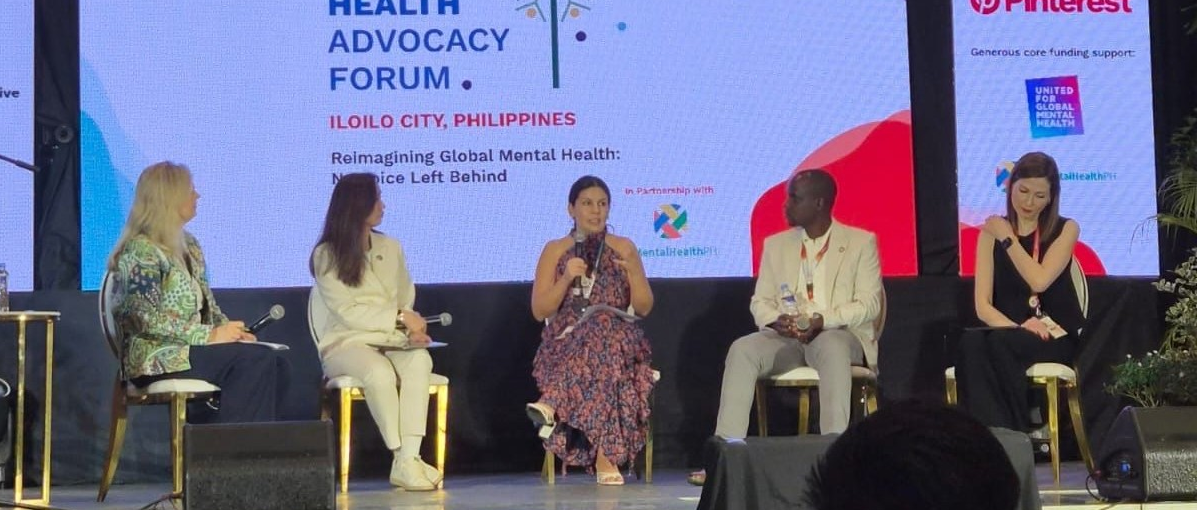
A key panel session at the Forum was “Looking back and looking forward beyond the United Nations High-Level Meeting on NCDs and Mental Health”.
Chaired by Sarah Kline (CEO of United for Global Mental Health), and organised by the Global Mental Health Action Network, this panel focused on what the UN High-Level Meeting (HLM) Political Declaration on NCDs and mental health achieved, and - more importantly - what must happen next to turn a global statement into measurable change.
Speakers emphasised that the Declaration is historically significant because it formally places mental health alongside other major health priorities, includes concrete commitments (including increased access targets), and reflects years of coordinated civil society mobilisation. However, the central warning was clear: a declaration is only a political signal. It does not automatically change services in schools, clinics, or communities. The “real work” now is accountability - ensuring governments translate commitments into national priorities, policies, budgets, and implementation plans, and that people (especially children and young people) can actually feel the difference in their daily lives.
A key learning was that accountability needs to be practical, structured, and cross-sectoral rather than symbolic.
UNICEF highlighted three priorities:
a whole-of-society approach that embeds mental health across health, education, child protection, and social protection;
shared responsibility backed by financing (not unfunded promises); and
accountability to children and young people, meaning participation must continue beyond the HLM.
UNICEF and WHO signaled plans to develop child- and youth-focused accountability mechanisms that support follow-through without becoming another bureaucratic reporting exercise. WHO reinforced alignment between civil society priorities and normative guidance (e.g., suicide prevention and decriminalisation, rights-based community care, and addressing social determinants), while stressing the implementation challenge: localisation, system redesign, and sustained financing in increasingly constrained global funding environments.
The discussion also surfaced persistent equity gaps within global advocacy itself - especially limited representation of advocates from low- and middle-income countries due to structural barriers (language, cost, access). Panelists from Peru (Lucero Andaluz) and Zimbabwe (Rufaro Mushonga) connected the declaration to concrete national priorities: scaling culturally relevant community mental health reforms, investing in rural and remote areas, integrating mental health into primary care, task-sharing, and scaling evidence-informed models. When asked what to do when governments are indifferent or hostile, the practical recommendations were: persist, identify political entry points linked to what leaders already care about (poverty, livelihoods, education), use media strategically, build alliances with UN country offices and international actors, and strengthen peer-to-peer support through networks so grassroots organisations can access opportunities, technical support, and funding pathways.
What a mental health advocate should take away from this discussion
“As advocates, we have learnt from one another and made plans to continue working in partnership to improve mental health services and change mental health policies. When a passionate global community comes together, our voices become stronger,” said Dr Antonis Kousoulis, Secretariat Lead of the Global Mental Health Action Network.
Reflecting the diversity of the mental health community, the event featured speakers from 40 countries and participants from NGOs, grassroots activists, philanthropic donors, UN agencies representatives and private sector organisations. Young people actively led and participated in all sessions to help shape the vision of how to improve mental health now and in the future. Participants learnt practical tips to help improve their fundraising and communications efforts to help them secure vital support work.
The Forum was held in the Philippines and Southeast Asia for the first time. It was organised with the local partnership of #MentalHealthPH and also included addresses from: Senator Risa Hontiveros; Dr. Ma. Sophia S. Pulmones, Officer-in-Charge, Director IV Department of Health Western Visayas Center for Health Development; Dr Candice Magdalane Alumisin- Tupas, Executive Assistant to the Mayor for Medical Tourism and Health Initiatives, IloIloCity.
For more information on the forum and its funders, see www.gmhan.org.
For more information on United for Global Mental Health, see www.unitedgmh.org
Civil Society Working Group
26 May 2026
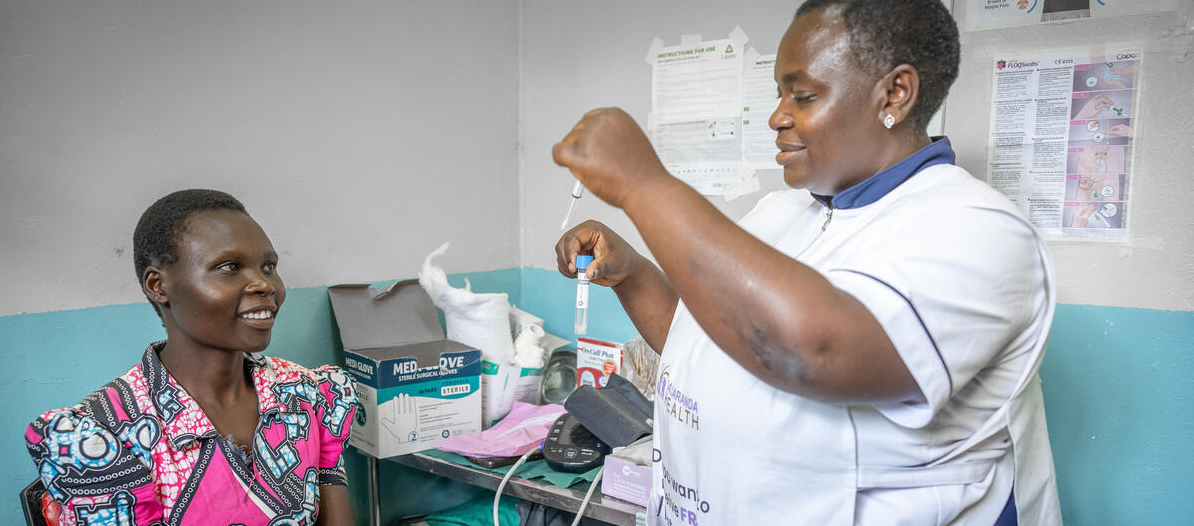
Meaningful Engagement of People with Lived Experiences
30 Mar 2026

Health Literacy Development
05 Mar 2026
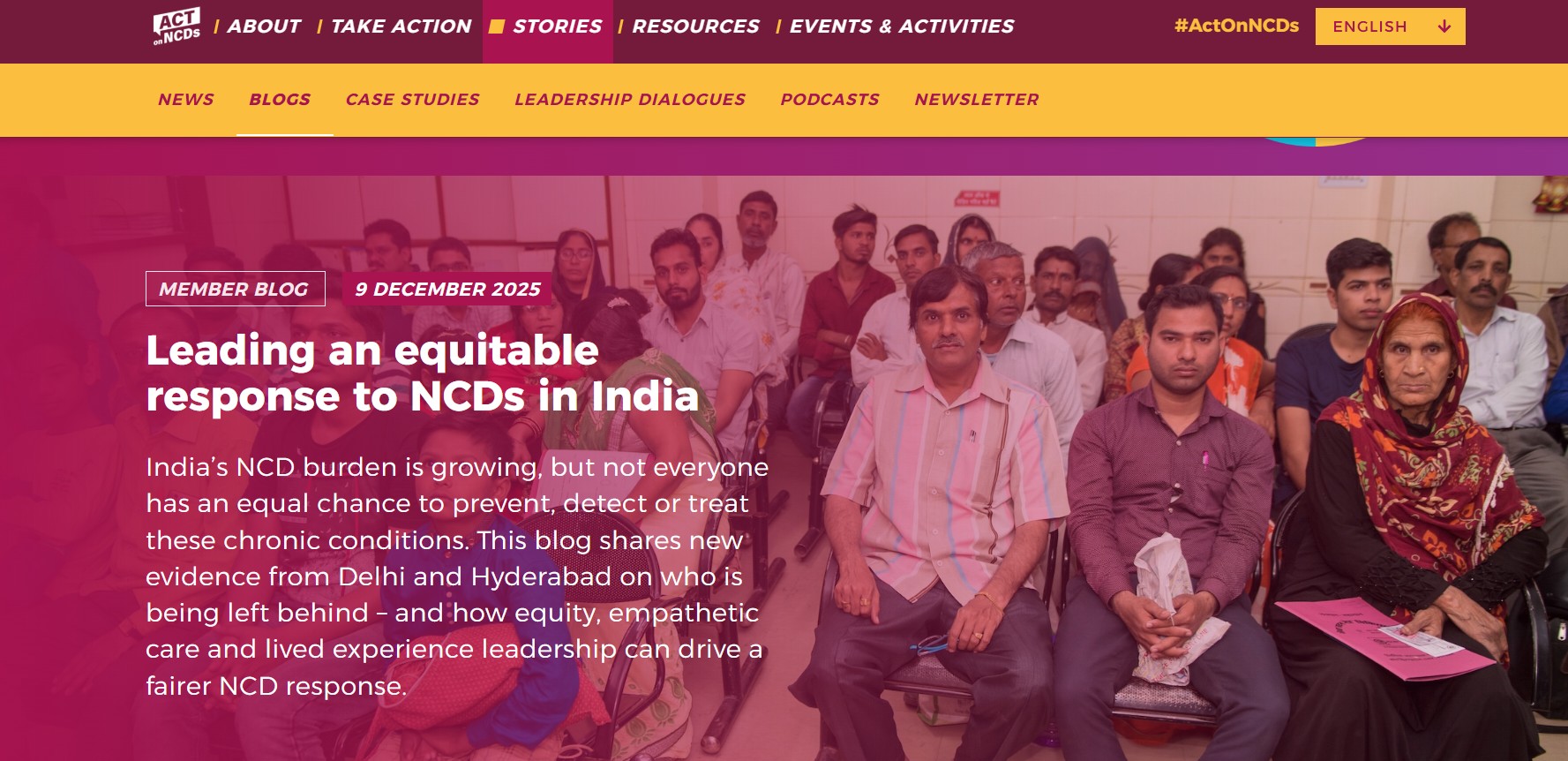
Meaningful Engagement of People with Lived Experiences
29 Jan 2026
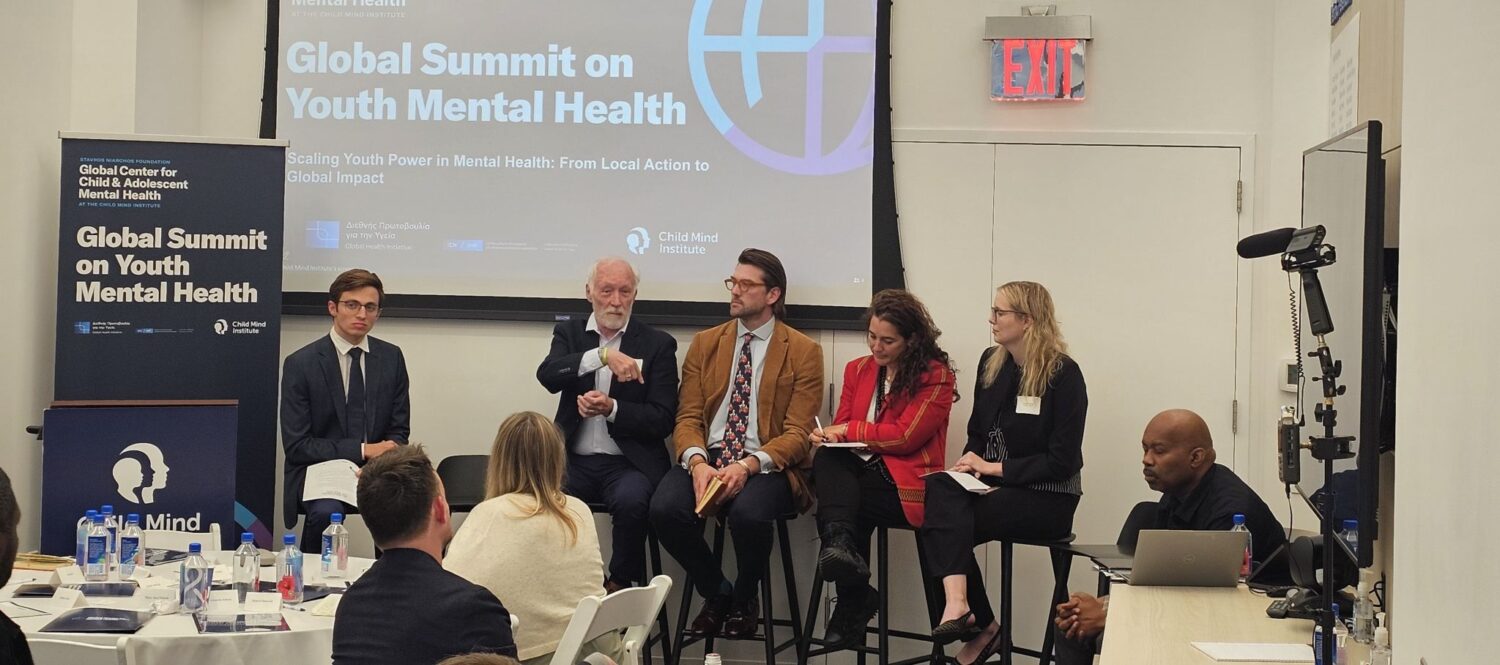
Meaningful Engagement of People with Lived Experiences
04 Nov 2025
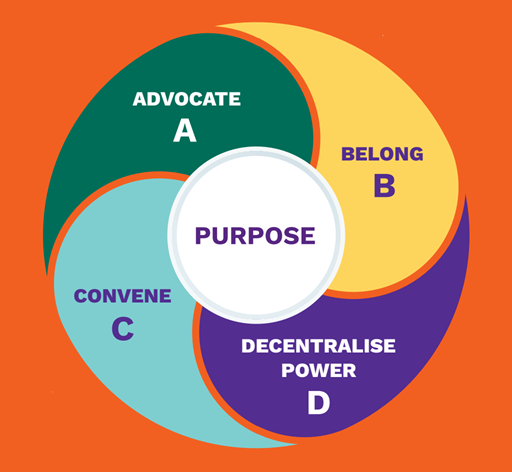
Multistakeholder Collaboration
14 Oct 2024