
Integrating Tradition and Innovation: Transforming Health in Rural Tanzania
13 Aug 2024
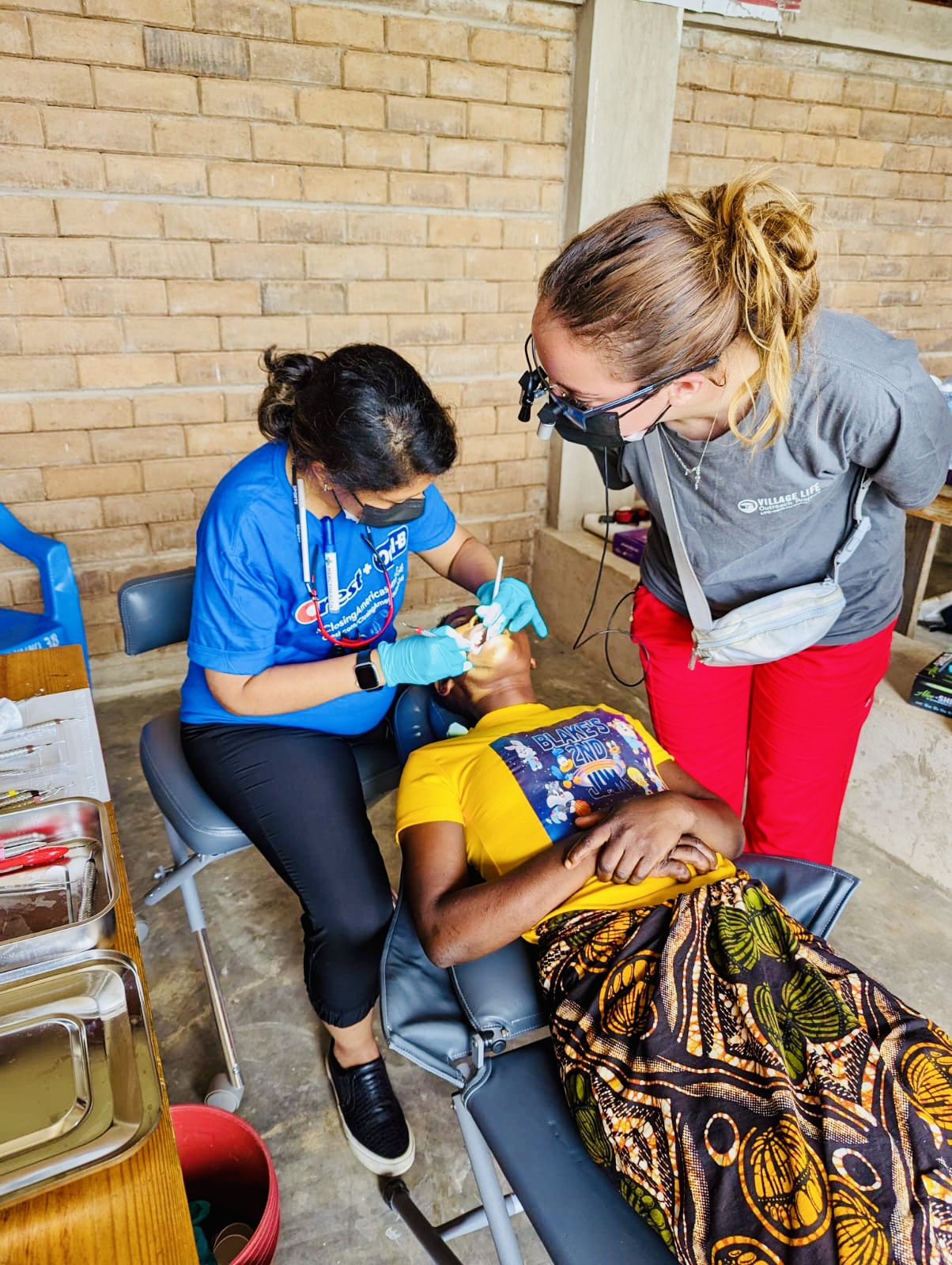
. Like all diseases that primarily affect resource-limited populations and impact quality of life, rural Tanzania is confronting an escalating oral health dilemma.(1-4) Our extensive needs assessment and quality of life research conducted over a two-year trajectory (2022-23) has delineated an alarming incidence of dental caries and periodontal diseases, disproportionately afflicting pediatric and maternal demographics.(5) These health adversities extend beyond physiological ramifications, perpetuating socioeconomic stratification and endorsing a cycle of health disparities. Complicating this landscape is the high incidence of oral cancers, with etiological correlations to entrenched cultural practices, notably among women.(6,7)
Our research revealed a profound prevalence of inadequate oral hygiene and a significant deterioration in oral health-related quality of life (OHRQoL).
A comprehensive and community-oriented framework underpins the intervention strategy for the health crisis in rural Tanzania. Progressing into its third year (May 2024), the program leverages foundational achievements from its inception, aiming to expand the spectrum of preventive measures and deepen the examination of sociocultural determinants impacting health.
Preventive Interventions: Anticipated advancements include implementing fluoride varnish applications and establishing a school-based dental sealant initiative to mitigate the incidence of dental caries within pediatric populations, utilizing educational infrastructures as pivotal platforms for widespread intervention.
Research on Women’s Health Behaviors: Recognizing the pivotal role of women in influencing familial and community health norms, the project commits to conducting in-depth qualitative research to scrutinize women’s health behaviors. This endeavor seeks to adapt the maternal and child health models, as proposed by the World Federation of Public Health Associations (WFPHA) (8), to the distinct cultural milieu of the Rorya District, ensuring the interventions are both culturally appropriate and effective.
Cultural Integration and Educational Initiatives: A fundamental aspect of our approach is the integration of traditional oral hygiene practices with modern preventive strategies. Incorporating indigenous methods, such as the Miswak twig, alongside contemporary dental care practices bridges the gap between traditional and modern health interventions. This is supported by targeted educational campaigns to dismantle existing cultural barriers, thus facilitating a shift in communal attitudes and behaviors towards oral health.
Technological Enhancement and Collaborative Efforts: The application of digital tracking technologies is intended to augment the efficacy and specificity of patient care. This year’s pivotal enhancement is the strategic utilization of university partnerships to reinforce our operational workforce, notably through a successful collaboration with the UC Blue Ash School of Dental Hygiene. This partnership augments our resource base and exemplifies the potency of interdisciplinary cooperation in surmounting public health challenges.
Impact. This community-centered approach, which includes innovative preventive measures, targeted research, and educational campaigns, is designed to significantly improve the oral health landscape for the pediatric and maternal demographics of the Rorya District.
Community Impact: Pediatric and maternal populations in the Rorya District, particularly vulnerable to dental caries, periodontal diseases, and oral cancers, stand to benefit directly from this initiative. The project extends its impact beyond direct health improvements to enhance the overall community quality of life, reduce the socioeconomic impacts of oral health issues, and address gender disparities in health outcomes. Efforts to decrease oral disease prevalence will also tackle associated social stigma, reduce missed workdays, and address the nutritional challenges caused by oral health conditions, thereby fostering a stronger, more equitable community.
Knowledge and Behavioral Shifts: Qualitative research into women’s health behaviors and educational initiatives to break down cultural barriers will promote shifts in community health knowledge and attitudes. This strategy aims to cultivate a community that values traditional and modern preventive oral health practices, enhancing health literacy and engagement.
*References available.
Do you have questions or comments on this noticeboard item? Post them here and join the discussion.