A thematic collection by: Megan Doherty, WHO

Integrating Palliative Care into Primary Health Care and Humanitarian Settings

Share
Supporting Integration into Primary Care

World Health Organization (WHO) emphasizes that integrating palliative care into primary health care is crucial for achieving universal health coverage (UHC) and addressing the ethical responsibility of health systems to alleviate suffering. 

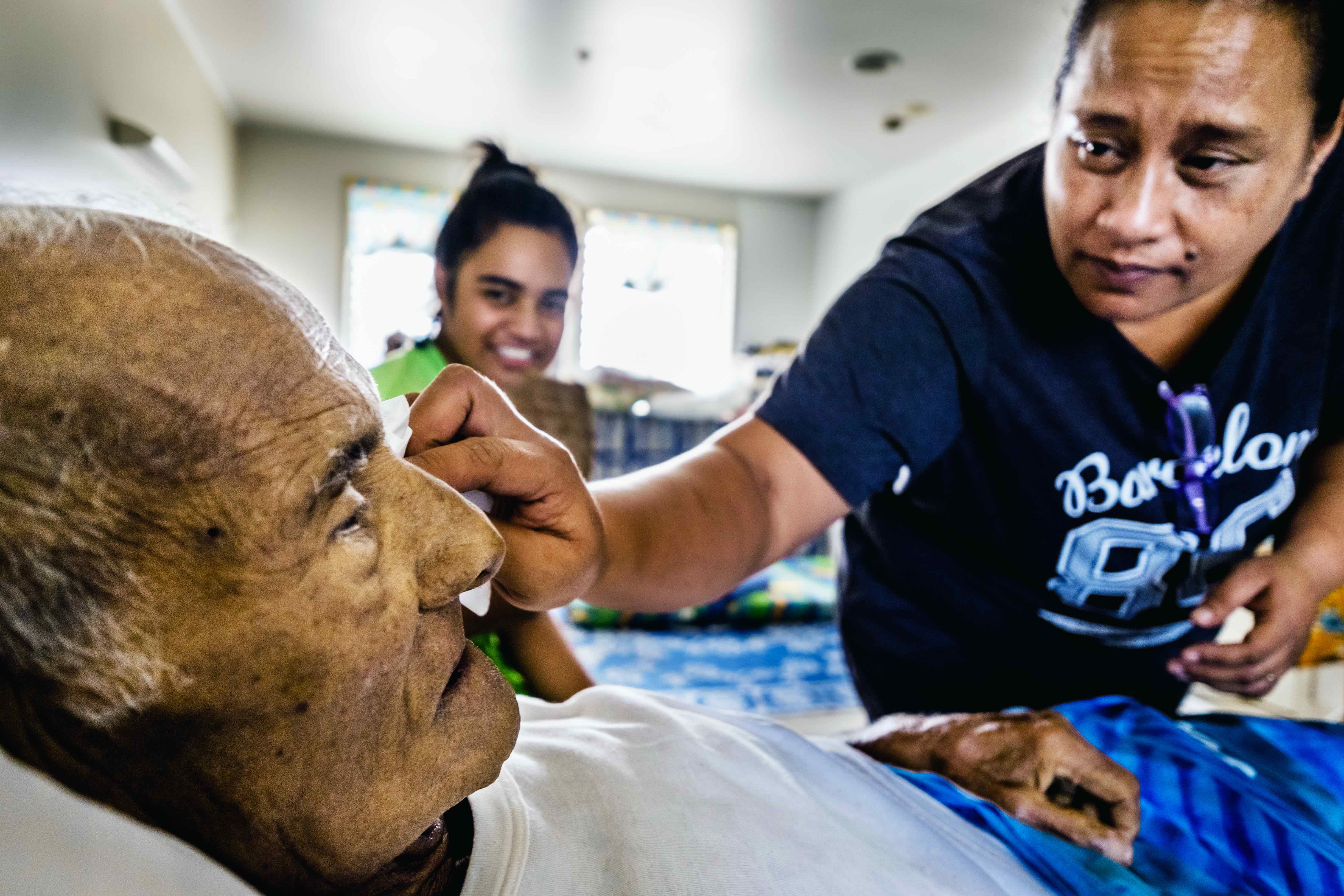
Palliative care, which focuses on the prevention and relief of suffering for patients with life-threatening illnesses, should be accessible to all, especially within community and home-based settings. 

By training primary health care providers in basic palliative care, most needs can be effectively met, ensuring continuity of care and equitable access. This integration not only supports patients but also their families, promoting a holistic approach to health care that respects patients' values and needs. 


<!-- THEME DEBUG -->
<!-- THEME HOOK: 'field' -->
<!-- FILE NAME SUGGESTIONS:
   ▪️ field--node--title--pin.html.twig
   ✅ field--node--title.html.twig
   ▪️ field--node--pin.html.twig
   ▪️ field--title.html.twig
   ▪️ field--string.html.twig
   ▪️ field.html.twig
-->
<!-- 💡 BEGIN CUSTOM TEMPLATE OUTPUT from 'themes/custom/whokap/templates/field/field--node--title.html.twig' -->
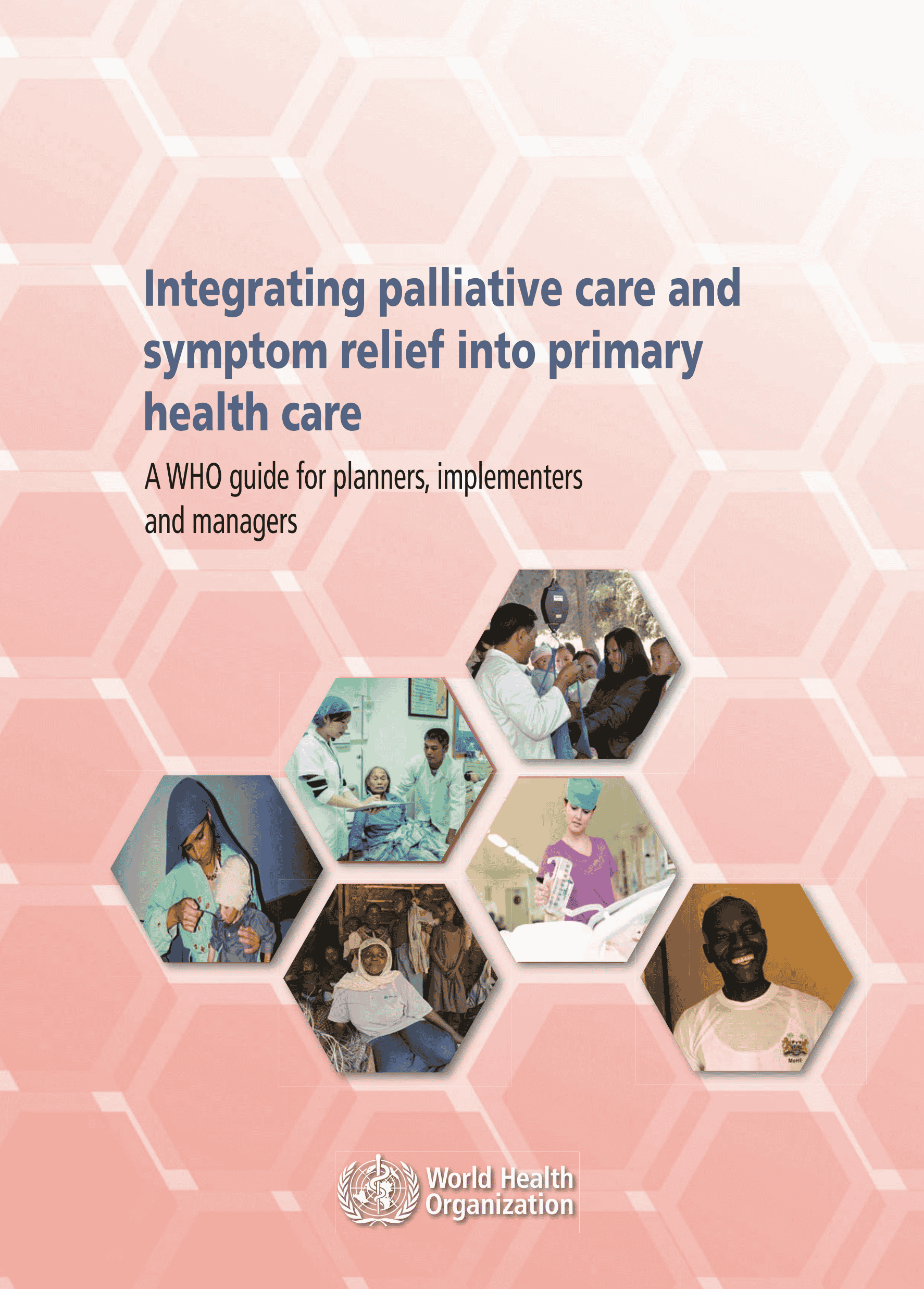
Integrating palliative care and symptom relief into primary health care. A WHO guide for planners, implementers and managers. 
<!-- END CUSTOM TEMPLATE OUTPUT from 'themes/custom/whokap/templates/field/field--node--title.html.twig' -->

World Health Organization

Integrating palliative care and symptom relief into primary health care. A WHO guide for planners, implementers and managers.

Guide

16 Oct 2018


<!-- THEME DEBUG -->
<!-- THEME HOOK: 'field' -->
<!-- FILE NAME SUGGESTIONS:
   ▪️ field--node--title--pin.html.twig
   ✅ field--node--title.html.twig
   ▪️ field--node--pin.html.twig
   ▪️ field--title.html.twig
   ▪️ field--string.html.twig
   ▪️ field.html.twig
-->
<!-- 💡 BEGIN CUSTOM TEMPLATE OUTPUT from 'themes/custom/whokap/templates/field/field--node--title.html.twig' -->
Primary palliative care in low- and middle- income countries: A systematic review and thematic synthesis of the evidence for models and outcomes. 
<!-- END CUSTOM TEMPLATE OUTPUT from 'themes/custom/whokap/templates/field/field--node--title.html.twig' -->

Palliative Medicine

Primary palliative care in low- and middle- income countries: A systematic review and thematic synthesis of the evidence for models and outcomes.

Article

01 May 2024


<!-- THEME DEBUG -->
<!-- THEME HOOK: 'field' -->
<!-- FILE NAME SUGGESTIONS:
   ▪️ field--node--title--pin.html.twig
   ✅ field--node--title.html.twig
   ▪️ field--node--pin.html.twig
   ▪️ field--title.html.twig
   ▪️ field--string.html.twig
   ▪️ field.html.twig
-->
<!-- 💡 BEGIN CUSTOM TEMPLATE OUTPUT from 'themes/custom/whokap/templates/field/field--node--title.html.twig' -->
Primary Palliative Care Guidelines (New Zealand)
<!-- END CUSTOM TEMPLATE OUTPUT from 'themes/custom/whokap/templates/field/field--node--title.html.twig' -->

Hospices of Northland

Primary Palliative Care Guidelines (New Zealand)

Guide

20 Nov 2025

Integration into Humanitarian and Emergency Settings

Palliative care is crucial in humanitarian emergencies as it addresses the severe health-related suffering experienced by individuals during emergencies.


Palliative care provides holistic support, encompassing physical, emotional, social, and spiritual aspects, ensuring dignity and comfort for those facing life-threatening conditions. Integrating palliative care into humanitarian responses not only alleviates suffering but also upholds ethical standards and human rights, fostering a compassionate approach to emergency healthcare.


<!-- THEME DEBUG -->
<!-- THEME HOOK: 'field' -->
<!-- FILE NAME SUGGESTIONS:
   ▪️ field--node--title--pin.html.twig
   ✅ field--node--title.html.twig
   ▪️ field--node--pin.html.twig
   ▪️ field--title.html.twig
   ▪️ field--string.html.twig
   ▪️ field.html.twig
-->
<!-- 💡 BEGIN CUSTOM TEMPLATE OUTPUT from 'themes/custom/whokap/templates/field/field--node--title.html.twig' -->
Integrating palliative care and symptom relief into the response to humanitarian emergencies and crises.
<!-- END CUSTOM TEMPLATE OUTPUT from 'themes/custom/whokap/templates/field/field--node--title.html.twig' -->

World Health Organization

Integrating palliative care and symptom relief into the response to humanitarian emergencies and crises.

Guide

11 Mar 2018


<!-- THEME DEBUG -->
<!-- THEME HOOK: 'field' -->
<!-- FILE NAME SUGGESTIONS:
   ▪️ field--node--title--pin.html.twig
   ✅ field--node--title.html.twig
   ▪️ field--node--pin.html.twig
   ▪️ field--title.html.twig
   ▪️ field--string.html.twig
   ▪️ field.html.twig
-->
<!-- 💡 BEGIN CUSTOM TEMPLATE OUTPUT from 'themes/custom/whokap/templates/field/field--node--title.html.twig' -->
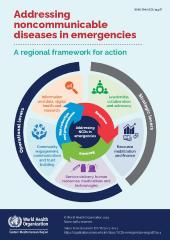
Addressing noncommunicable diseases in emergencies: a regional framework for action
<!-- END CUSTOM TEMPLATE OUTPUT from 'themes/custom/whokap/templates/field/field--node--title.html.twig' -->

WHO Regional Office for the Eastern Mediterranean

Addressing noncommunicable diseases in emergencies: a regional framework for action

Briefs & Fact Sheets

11 Mar 2024


<!-- THEME DEBUG -->
<!-- THEME HOOK: 'field' -->
<!-- FILE NAME SUGGESTIONS:
   ▪️ field--node--title--pin.html.twig
   ✅ field--node--title.html.twig
   ▪️ field--node--pin.html.twig
   ▪️ field--title.html.twig
   ▪️ field--string.html.twig
   ▪️ field.html.twig
-->
<!-- 💡 BEGIN CUSTOM TEMPLATE OUTPUT from 'themes/custom/whokap/templates/field/field--node--title.html.twig' -->
WHO Guidelines for the pharmacological and radiotherapeutic management of cancer pain in adults and adolescents
<!-- END CUSTOM TEMPLATE OUTPUT from 'themes/custom/whokap/templates/field/field--node--title.html.twig' -->

World Health Organization (WHO)

WHO Guidelines for the pharmacological and radiotherapeutic management of cancer pain in adults and adolescents

Guide

15 Feb 2019

KAP thematic collections are created, managed, and updated by individual platform users. Collection content, featured resources and image material are subject to the KAP community guidelines and the copyright code of conduct. Featuring resources and information in collections does not imply that they are endorsed or recommended by the KAP or the World Health Organization.