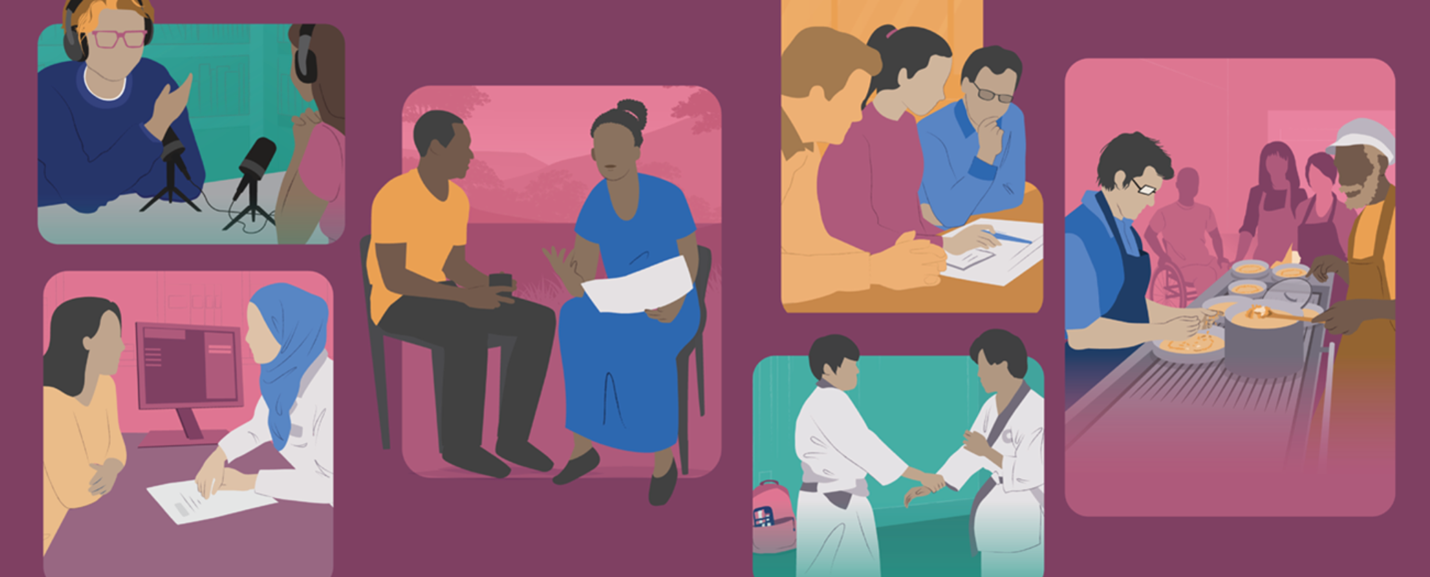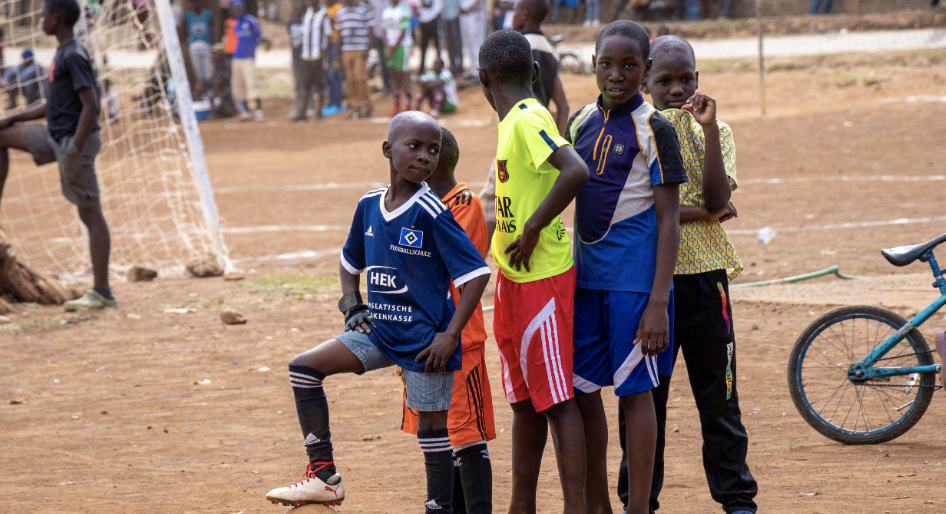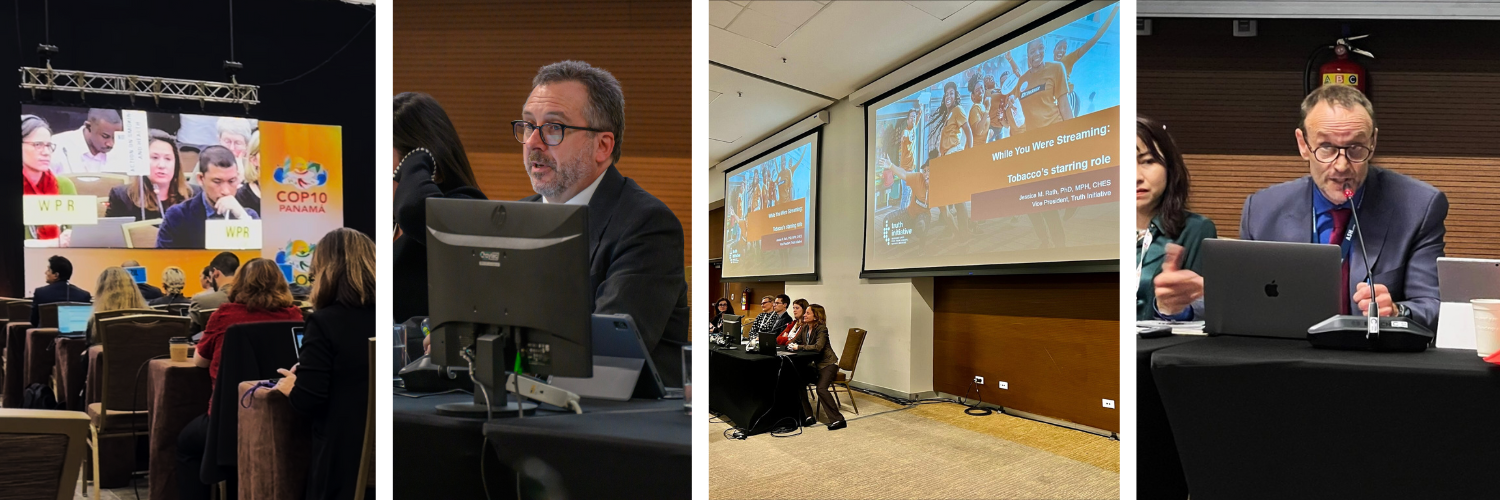
Multisectoral and multistakeholder collaboration for complex health challenges: Capacity building workshop (Kenya, Botswana, Tanzania)
27 Nov 2023
27 Nov 2023
“It’s important to me that diabetes doesn’t interrupt my life” - Alexandra Alexandra helps people in Lisbon, Portugal, with how to deal with their diabetes through a peer support group. “I help people with diabetes to accept the disease and control and manage it. It’s really rewarding. I feel happy when I have success organizing activities for people with diabetes. When I fee...
27 Nov 2023
Strategy document
24 Nov 2023
The WHO Global Coordination Mechanism on the Prevention and Control of NCDs (GCM/NCD) was established in 2014 by Member States at the Sixty-seventh World Health Assembly after a two-year intergovernmental process. The GCM/NCD is led by Member States...
Briefs & Fact Sheets
24 Nov 2023
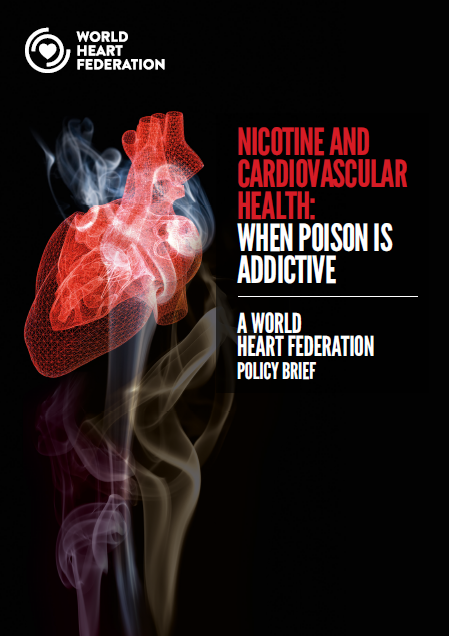
As people have shifted to using digital media, marketers of unhealthy products like tobacco have followed. This report from Canary (previously TERM) uncovers the latest tobacco marketing tactics online, from advergaming to influencer promotions. It a...
23 Nov 2023
The journey to Armenia from Karabakh put over 100 000 refugees through a gruelling ordeal, leaving many in urgent need of mental health support. A WHO team spoke to refugees who had recently arrived at a temporary shelter. Their individual voices tell a shared story: “We will never forget that terrible journey to Armenia. This experience will stay with me forever and is repeated in my dreams...
23 Nov 2023
22 Nov 2023
In this feature, the Healthy India Alliance (HIA) shares the importance of meaningful involvement in tackling noncommunicable diseases in India’s NCD plan. In India, noncommunicable diseases (NCDs) account for approximately 64% of all deaths, adversely affecting not only people’s health, but also the financial stability of households due to increased out-of-pocket expenses for treatmen...
22 Nov 2023
Database
18 Nov 2023
The GACD e-Hub is a comprehensive online learning space for knowledge and skill development in implementation research, with particular focus on chronic and non-communicable diseases in low- and middle-income settings. It is an interactive online pla...
17 Nov 2023
Commemorating 3 years of global collaboration with survivors, leaders, and advocates towards the elimination of cervical cancer. 17 November 2023 marks the third anniversary of the global movement to eliminate cervical cancer. Since 2020, 194 countries are committed to eliminate cervical cancer and WHO launched the Global strategy to eliminate cervical cancer as a public health proble...
17 Nov 2023
Briefs & Fact Sheets
17 Nov 2023
In this toolkit, find resources to support your advocacy efforts in championing the Global Strategy and the elimination of cervical cancer in your community.
Report
15 Nov 2023
The COVID-19 pandemic made even clearer the need to develop digital health services, forcing health systems to reorientate how they delivered services in a context of social distancing and enhanced infection control protocols that often limited physi...
Strategy document
14 Nov 2023
Despite being a preventable and curable disease, cervical cancer is responsible for a large burden of suffering in women around the world, especially in low- and middle-income countries. To uphold the right to health for adolescent girls and women, i...