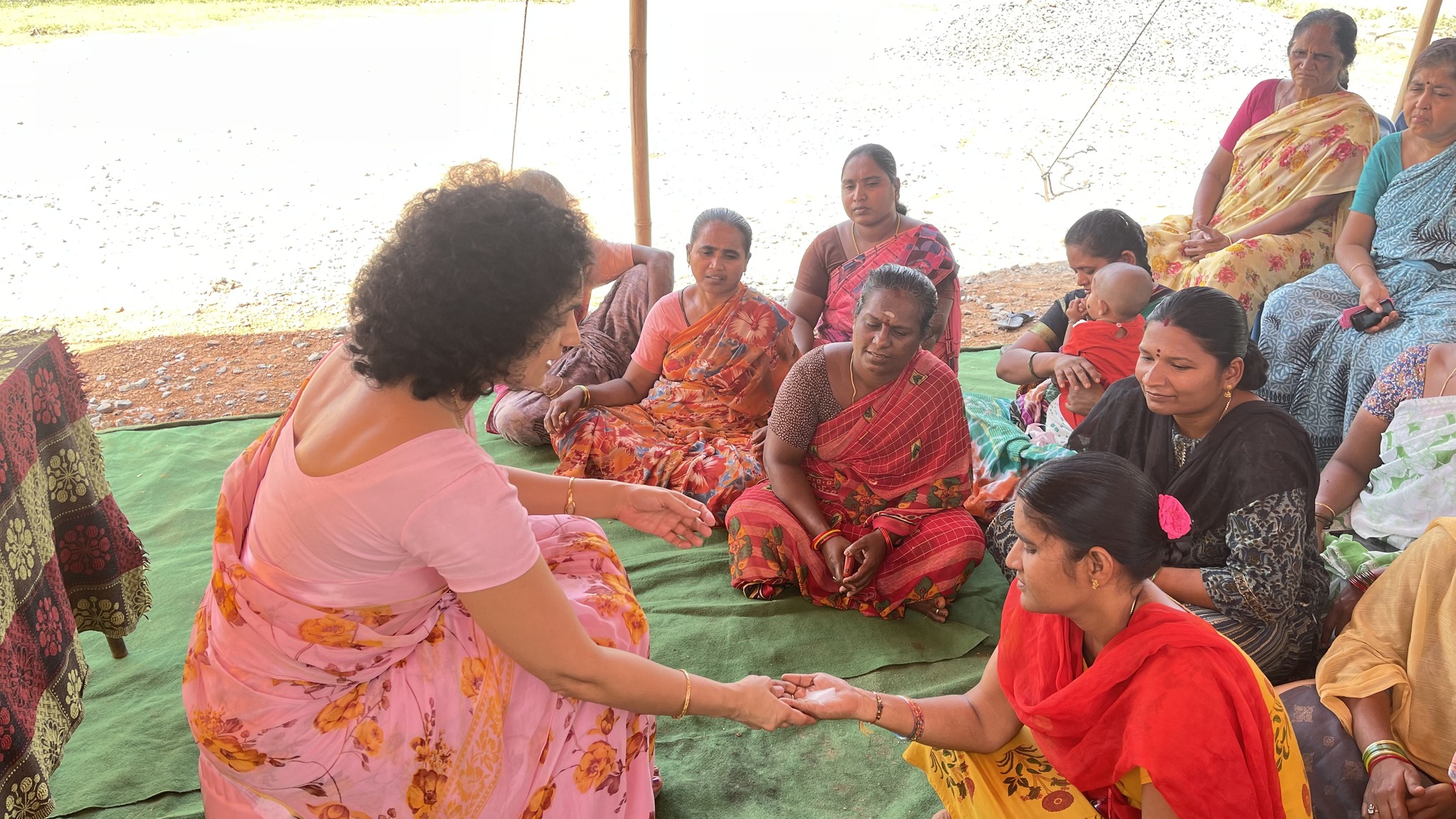
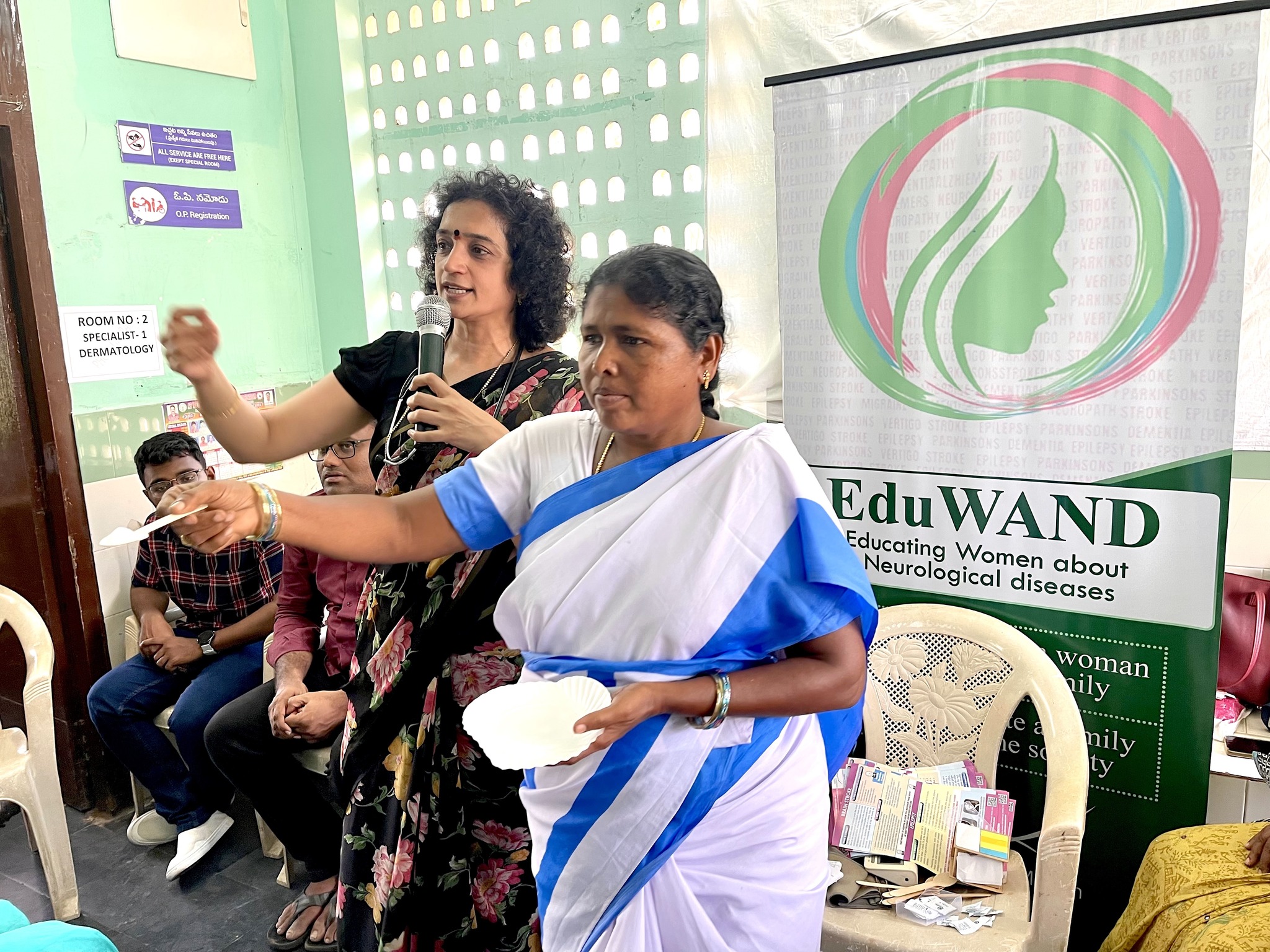
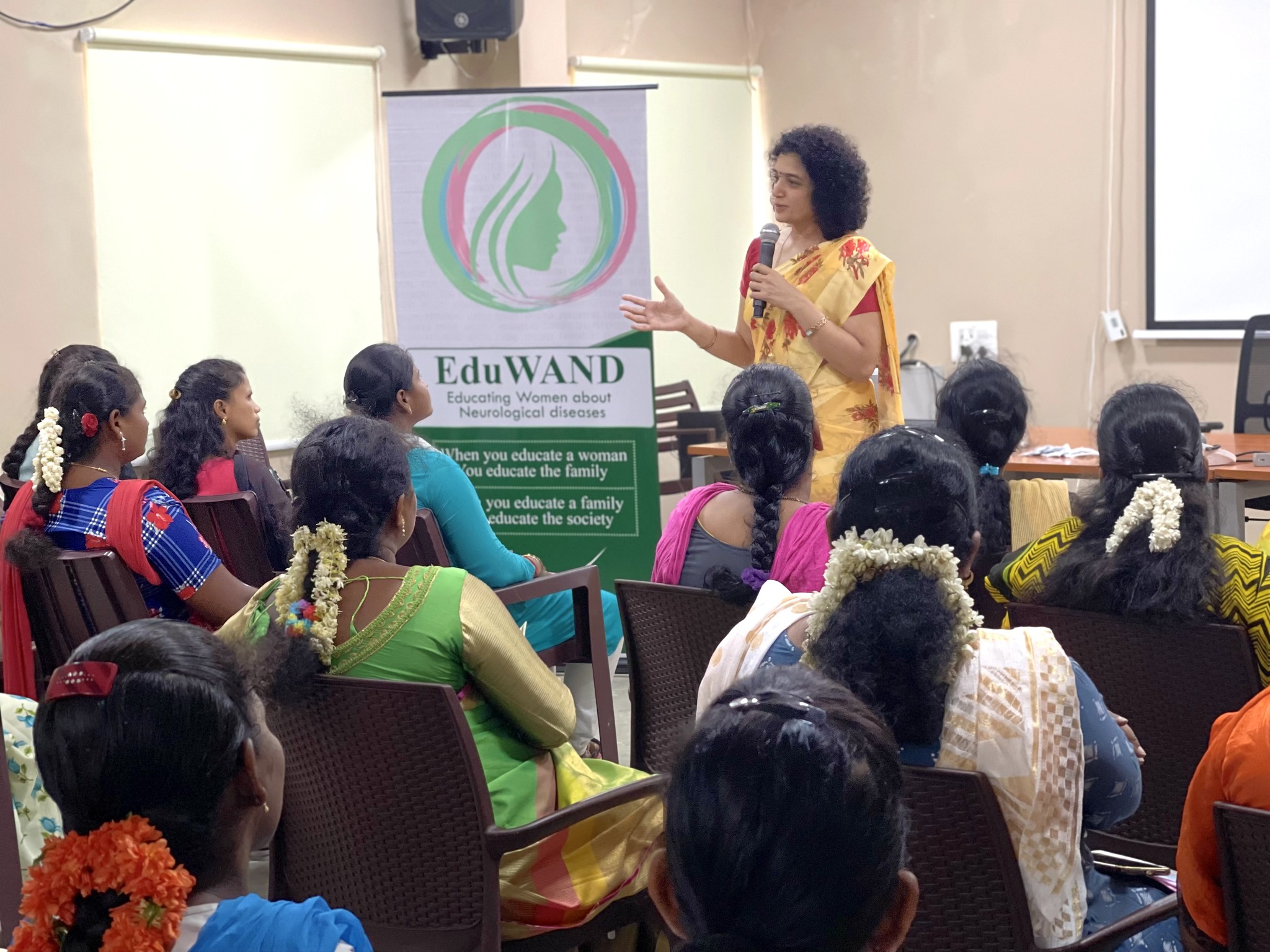
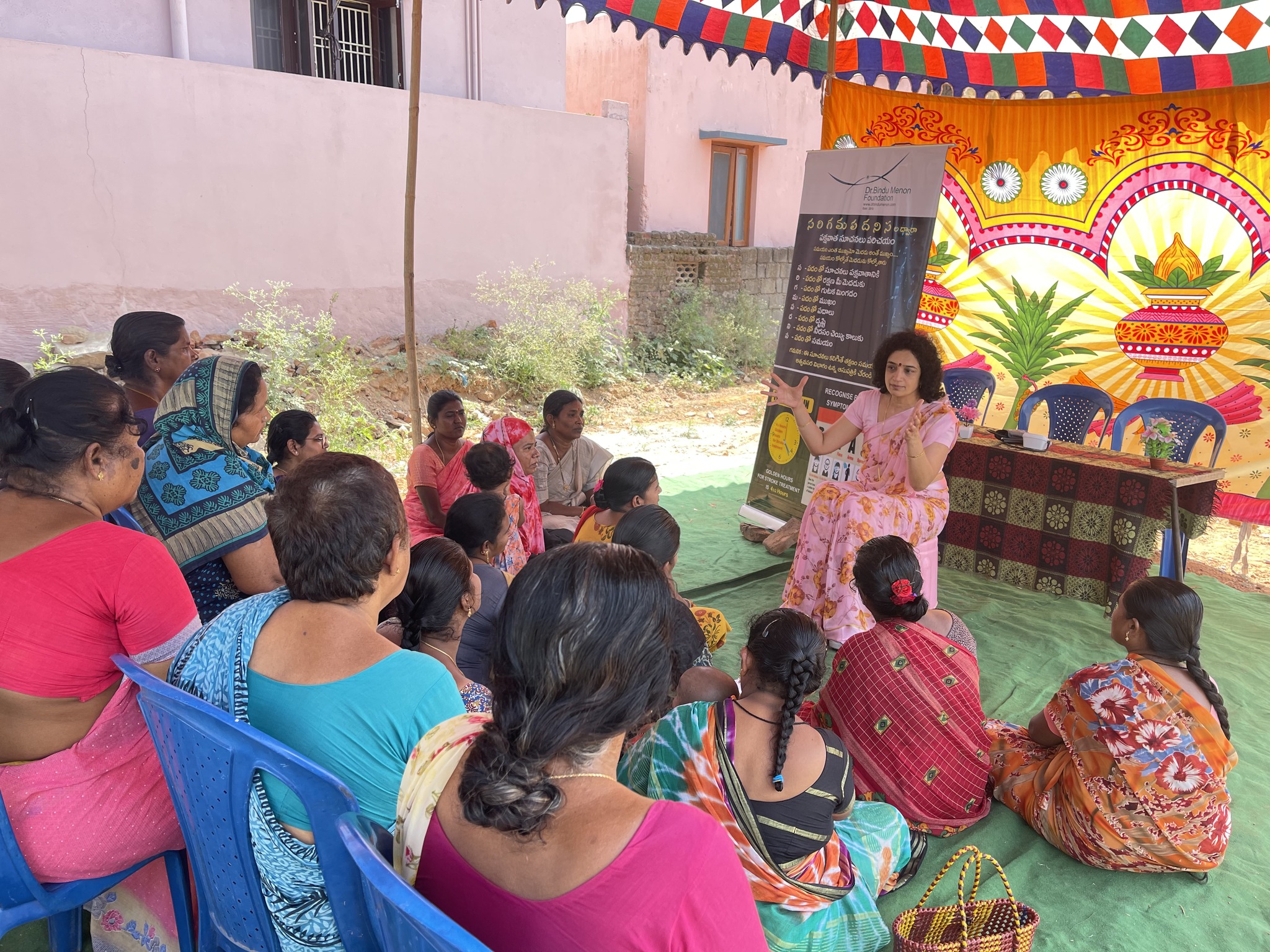
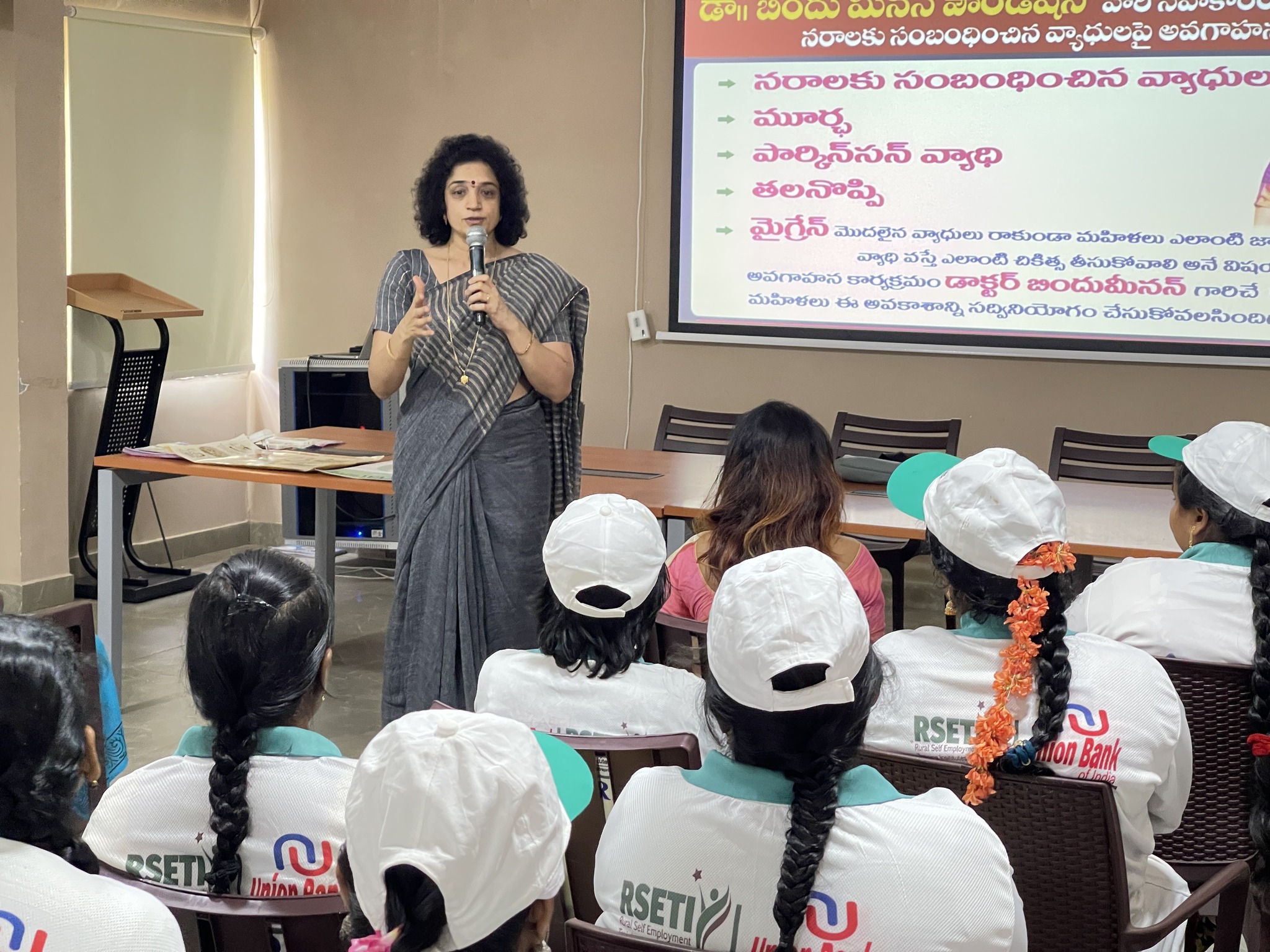
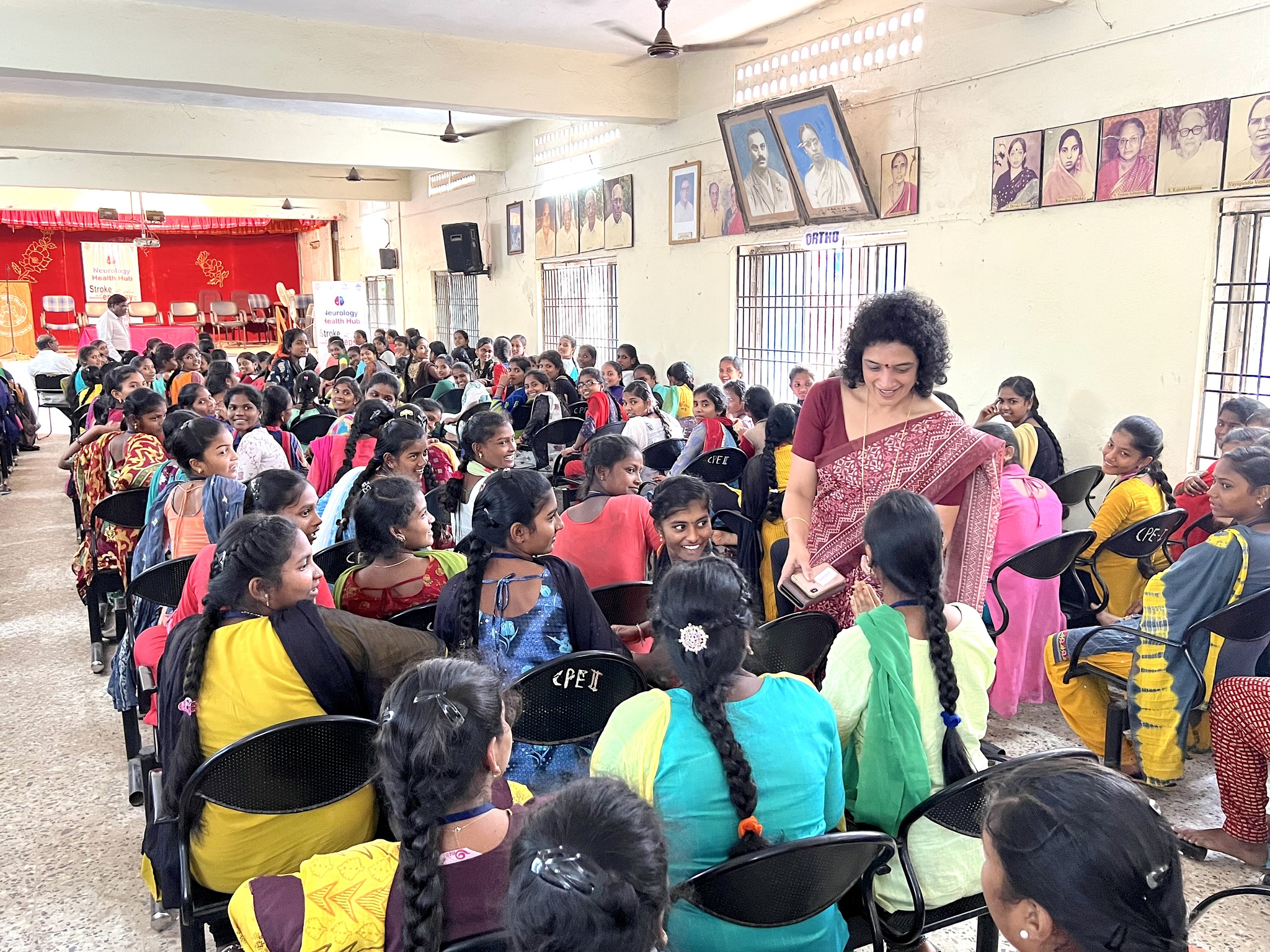
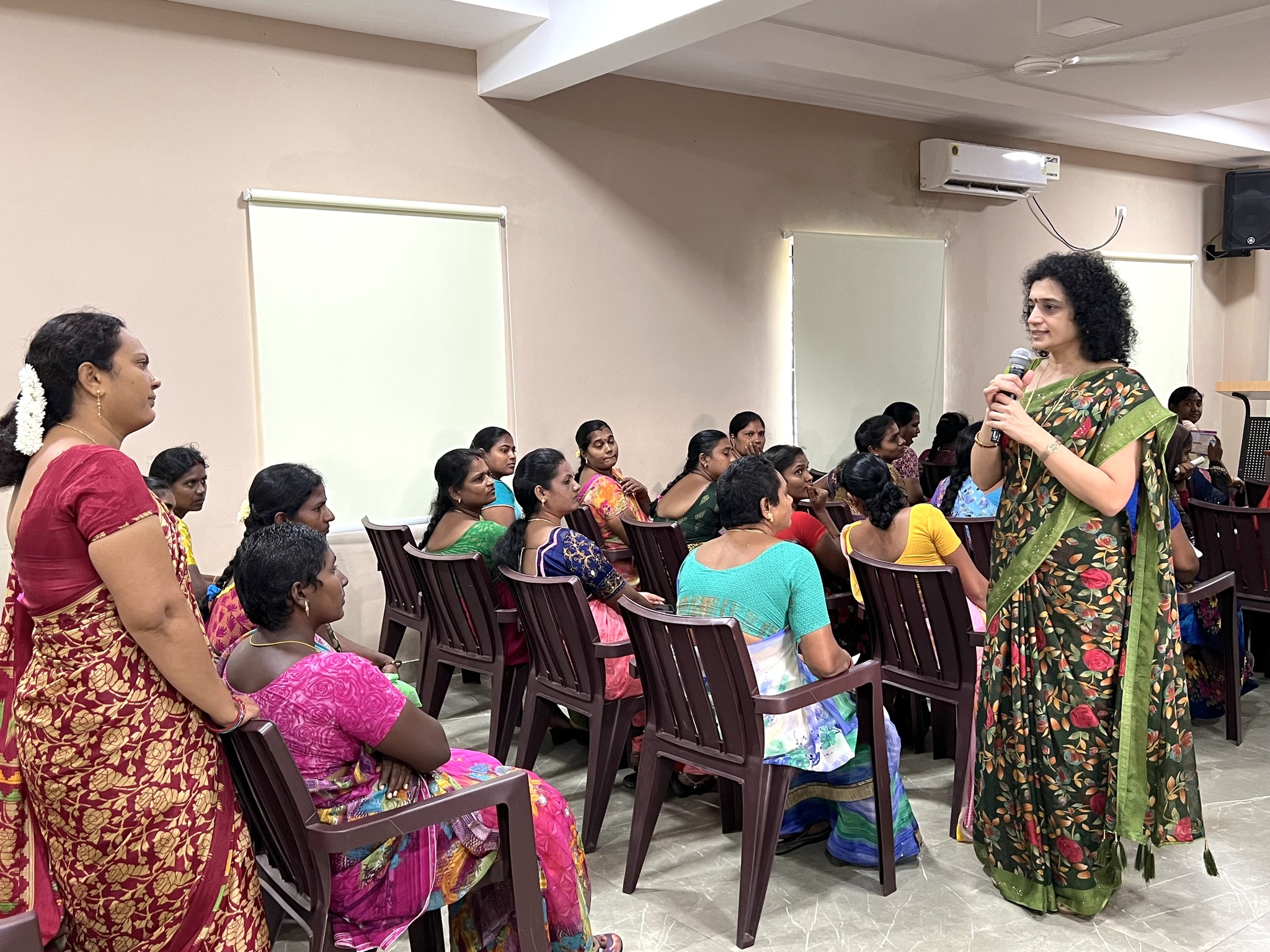
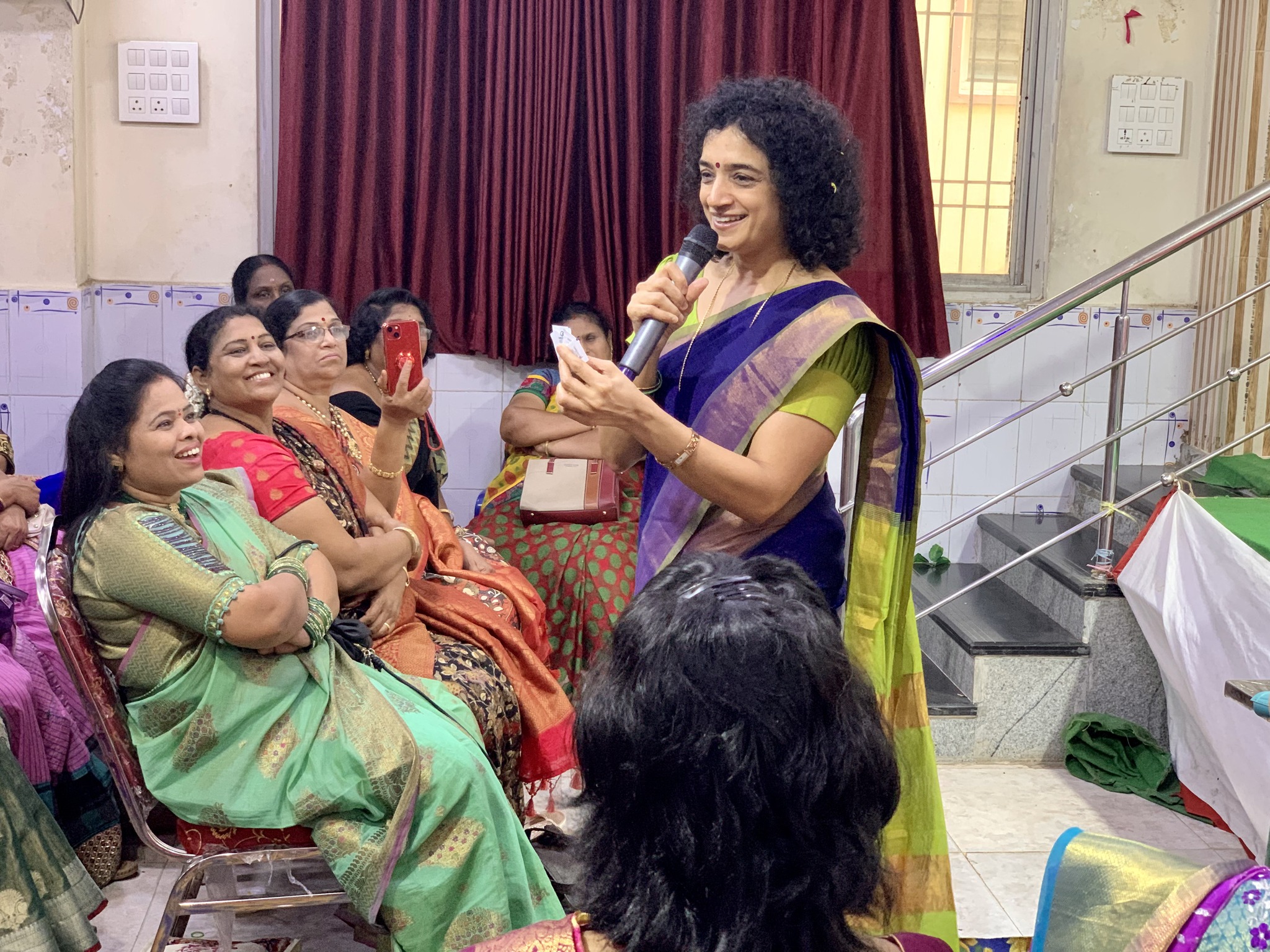
In the urban area of Nellore city, Andhra Pradesh, neurological disorders affect both genders equally. However, fewer women seek medical assistance despite being the primary caregivers in India. Our study “ Female Caregivers and Stroke Severity Determines Caregiver Stress in Stroke Patients published in Ann Indian Acad Neurol. 2017 Oct-Dec;20(4):418-424 showed that 75% of the caregivers were females. Hence educating women forms the cornerstone of stroke care. Women’s role as caregivers, their support for community advocacy, and improved knowledge to access treatment at stroke-ready hospitals are essential for building healthier, more resilient communities.
The project has a unique focus on women, recognizing their crucial roles in making healthcare decisions. By customizing interventions to suit India's cultural context, the project ensures that they are relevant and accepted within communities. The project adopts a comprehensive approach that includes awareness, skill-building, and advocacy to empower women to champion neurological health. Community engagement fosters ownership and cultural appropriateness, while multidisciplinary collaboration integrates diverse expertise. Prioritizing empowerment and sustainability, the project aims for lasting impact, reducing the burden of neurological disorders, and improving overall health outcomes in India.
The program includes electronic check-ups for your home appliances, promotion of lifestyle modifications, and education on stroke warning signs using the FAST mnemonic in local languages. The aim is to teach participants about stroke preparedness, with a focus on timely thrombolytic therapy. Follow-up will be done through a dedicated Facebook page for the Dr. Bindu Menon Foundation, with weekly updates and invitations for membership to encourage peer-led stroke care initiatives. This comprehensive approach encourages women to take the lead in preventing and managing strokes.
The impact of the project is apparent in the increased awareness among more than 800 women about stroke preparedness. As a result, three patients reached medical facilities within the stroke window period, and one patient received thrombolysis, indicating improved access to life-saving treatments. With knowledge, women are actively advocating for neurological health. These achievements validate the project's targeted approach, cultural sensitivity, comprehensive strategy, community engagement, and interdisciplinary collaboration. Overall, the initiative has significantly reduced the burden of stroke, demonstrating tangible benefits in improving awareness, response rates, treatment access, and community empowerment.
https://drbindumenon.com/eduwand/
1) Early Detection and Intervention: Women often play a central role in family health care, especially in countries like India. Educating them about neurological disorders equips them to recognize early signs and symptoms in family members, facilitating timely medical intervention. Early detection can lead to better management and outcomes, potentially preventing complications associated with advanced stages of these disorders.
2) Healthcare Decision-Making: Women are frequently the primary caregivers in Indian households. By empowering them with knowledge about neurological disorders, they become better equipped to make informed healthcare decisions for their family members. This includes seeking appropriate medical care, adhering to treatment plans, and accessing support services, all of which are crucial in managing NCDs effectively.
3) Reducing Stigma and Increasing Awareness: In many societies, including parts of India, there is stigma and misconceptions surrounding neurological disorders. Epilepsy is a condition which is stigmatised. Women can be trained to be influential members of their communities, can help dispel myths and raise awareness about these conditions. By educating women, communities become more understanding and supportive of individuals living with neurological disorders, encouraging them to seek help without fear of discrimination or social isolation.
4) Lifestyle Modification and Prevention: Education empowers individuals to adopt healthier lifestyles and preventive measures. Women, being key influencers in household habits, can promote behaviors that reduce the risk factors associated with neurological disorders, such as maintaining a balanced diet, recommended salt use, regular exercise, and avoiding tobacco and alcohol consumption. These lifestyle modifications can contribute to the prevention of NCDs, including certain neurological conditions like stroke and dementia.
5) Advocacy and Policy Influence: Educated women are more likely to engage in advocacy efforts and influence policy decisions related to healthcare. By raising their voices and advocating for better access to healthcare services, improved infrastructure for neurological care, and increased research funding, women can contribute to creating a more supportive environment for individuals affected by neurological disorders.
6) Economic Impact: NCDs pose a significant economic burden on individuals, families, and healthcare systems. By educating women about neurological disorders and empowering them to take proactive measures, the economic impact of these conditions can be mitigated. Timely interventions, preventive strategies, and improved management can reduce healthcare costs associated with NCDs, freeing up resources for other essential healthcare needs.
In conclusion, EduWAND; educating women about neurological disorders in India can lead to earlier detection, better management, reduced stigma, healthier lifestyles, advocacy for improved healthcare, and ultimately, a significant reduction in the burden of NCDs on individuals and society as a whole.
This innovative platform is also designed to address various neurological diseases with special emphasis on stroke. EduWAND focuses on primordial and primary prevention of stroke and early stroke recognition, utilizing various tools and interventions. The methodology used din the project are as follows: For stroke we will be following STROKE- Recognise- Respond- React 1) Risk Factor Recognition: Scientific evidence: Di Carlo A, et al in a prospective study in Tuscany found that educational intervention improved stroke awareness.( Eur Stroke J. 2023 Sep;8(3):769-776) Best practice: Educational materials from World stroke organisation and American Stroke organisation will ensure accuracy of the informton provided. ASA A) Electronic Blood Pressure Check-Up at Home Settings: Encourages regular monitoring of blood pressure, which is a key risk factor for stroke. Home monitoring promotes patient empowerment and facilitates early detection of hypertension. B) Use of Glucometer: Monitoring blood glucose levels aids in the prevention of diabetes, another significant risk factor for stroke. Early detection and management of diabetes contribute to stroke prevention. C) Use of BMI App: Utilizing a BMI app helps individuals assess their level of obesity, which is a modifiable risk factor for stroke. This intervention promotes awareness and encourages lifestyle modifications. D) Use of Stroke Riskometer: Assessing stroke risk using a riskometer tool helps identify high-risk individuals who may benefit from targeted interventions and monitoring. E) Educating the use of adequate amount of salt in diet F) Educating about behavioural risk factors 2) Risk Factor Prevention - Healthy Lifestyle Modification: Scientific evidence from the SPRINT trial showed that intensive blood pressure control significantly reduced the risk of stroke and cardiovascular events. Framingham Heart Study, have demonstrated the cumulative effect of modifiable risk factors (e.g., hypertension, diabetes, smoking) on stroke risk over time. Best practice with public (in our project women) and awareness campaigns, motivation for self-screening, life style promotion and collaborative activity with health care will support women in managing themselves and their families. Regular targeted women team meetings will facilitate communication. Promotes behavioral interventions focused on diet, weight management, exercise, smoking cessation, and moderation of alcohol consumption. These lifestyle modifications address multiple risk factors for stroke and are supported by scientific evidence demonstrating their effectiveness in reducing stroke risk. C) Knowledge of Stroke Warning Signs: Our earlier study “Poor awareness of stroke--a hospital-based study from South India: an urgent need for awareness programs” published in J Stroke Cerebrovasc Dis. 2014 Sep;23(8):2091-2098 demonstrated that there is a poor knowledge of recognition of stroke, its warning signs, risk factors, and prehospital care We will be educating women about stroke symptoms in our local language telugu. We believe that incorporating local language (Telugu stroke mnemonic) enhances understanding and accessibility of stroke warning signs among the target population. D) Preparedness During Stroke Attack: Often stroke symptoms are recognised by the relatives, however how to respond is not known. Scientific evidence from American Stroke Association (ASA) and the European Stroke Organisation (ESO), have shown the importance of time. Our project will emphasise the concept of "time is brain," highlighting the critical importance of prompt action during a stroke. We will educate the importance of using the emergency medical services, the need to reach stroke ready hospitals, and use of emergency telephone numbers to save the prehospital time. E) Understanding Stroke and its Impact: We will educate women about the significant morbidity and mortality associated with stroke, emphasizing its similarity to a heart attack in terms of severity and consequences. This will help to prioritise neurological health. F) Follow-Up: A dedicated page EduWAND on the Dr. Bindu Menon foundation's Facebook page has been created to serve as a platform for ongoing engagement and support. Women will be invited to become members, allowing for continued interaction and access awareness videos and programmes.
In the urban area of Nellore city, Andhra Pradesh, neurological disorders affect both genders equally. However, fewer women seek medical assistance despite being the primary caregivers in India. Our study “ Female Caregivers and Stroke Severity Determines Caregiver Stress in Stroke Patients published in Ann Indian Acad Neurol. 2017 Oct-Dec;20(4):418-424 showed that 75% of the caregivers were females. Hence educating women forms the cornerstone of stroke care. Women’s role as caregivers, their support for community advocacy, and improved knowledge to access treatment at stroke-ready hospitals are essential for building healthier, more resilient communities. Several factors contribute to this disparity: Ignorance about the disease, financial constraints, and challenges in accessing healthcare facilities. Stakeholders involved include women, families, healthcare providers, community leaders, and policymakers. Educating women in neurological health will serve to foster a healthy environment within the family where neurological health is prioritised and proactive measures are taken to prevent and manage neurological disorders. This includes raising awareness about risk factors, promoting healthy behaviours, and ensuring access to appropriate healthcare services. Educated women play a crucial role in raising awareness about the risk factors. EduWAND would aim at women becoming more aware of neurological health, understanding risks, and communicating better with families as short-term goals. Fewer neurological disorders, improved health for families, and a community focused on proactive neurological care would be our long-term objective. EduWAND training will need women to actively participate in educational initiatives that will make changes in neurological health and care. The correct implementation will need motivated women depending on their priorities and educational background, and constant support from community leaders, policymakers and resources for the ongoing efforts. Educating women about neurological health is vital for healthier families. Educated women can raise awareness about neurological disorders, and risk factor identification, and promote proactive health measures. We plan to achieve this through workshops, seminars, and community campaigns. Our goal is to give women the knowledge to make informed health decisions for themselves and their families, identifying risk factors, with the motto of Prevent, Recognise, Respond, React for stroke. However, our success depends on women's willingness to participate and support from community leaders and policymakers. With ongoing collaboration and commitment, we can create a culture of neurological health awareness and empowerment that benefits everyone.
INDICATOR DEFINITION Number of women educated Total number of women who have received education on neurological health and are active on the social media platform How is it calculated? A register will be maintained for all attendees BASELINE Initial assessment of the number of women educated and active on social media platform - 1/4th of the women population in Nellore, i.e., 68,598 TARGET 274,394 DATA SOURCE Dr. Bindu Menon Foundation How will it be measured? Every 3 months FREQUENCY Every 3 months RESPONSIBLE Dr. Bindu Menon Foundation Secretary Who will measure it? Dr. Bindu Menon Foundation Secretary REPORTING In the annual report of the Dr. Bindu Menon Foundation OUTCOMES DEFINITION Patients referred to stroke-ready hospitals How is it calculated? Number of patients referred to stroke-ready hospitals BASELINE Initial assessment of the number of patients referred to stroke-ready hospitals TARGET Women referring to stroke-ready hospital - DATA SOURCE Dr. Bindu Menon Foundation How will it be measured? Every 3 months FREQUENCY Every 3 months RESPONSIBLE Dr. Bindu Menon Foundation Secretary Who will measure it? Dr. Bindu Menon Foundation Secretary REPORTING In the annual report of the Dr. Bindu Menon Foundation OUTPUTS DEFINITION Stroke awareness and response How is it calculated? Measurement of progress and changes in stroke awareness and response BASELINE Analysis of data collected to measure progress and assess changes in stroke awareness and response TARGET Revaluation to know the knowledge and practice of stroke DATA SOURCE Dr. Bindu Menon Foundation How will it be measured? Every 3 months FREQUENCY Every 3 months RESPONSIBLE Dr. Bindu Menon Foundation Secretary Who will measure it? Dr. Bindu Menon Foundation Secretary REPORTING In the annual report of the Dr. Bindu Menon Foundation ACTIVITIES DEFINITION Planning for sustainability Planning and implementation of strategies to maintain project gains beyond the project period How is it calculated? Evaluation of strategies implemented and their effectiveness in maintaining project gains beyond the project period - Ensuring all areas of geographical society are well covered for inclusivity BASELINE Evaluation of strategies implemented and their effectiveness in maintaining project gains beyond the project period TARGET Ensuring all areas of geographical society are well covered for inclusivity DATA SOURCE Dr. Bindu Menon Foundation How will it be measured? Every 3 months FREQUENCY Every 3 months RESPONSIBLE Dr. Bindu Menon Foundation Secretary Who will measure it? Dr. Bindu Menon Foundation Secretary REPORTING In the annual report of the Dr. Bindu Menon Foundation
Project Launch: A rough outlay of the project timeline is mentioned here Date: July 1, 2024 Description: Official launch of the EduWAND project, including stakeholder meetings, team formation, and finalization of project plans and timelines. Baseline Assessment Date: July 20 – August20, 2024 Description: Develop educational materials including brochures, posters, videos, and interactive tools for stroke awareness and prevention. Development of Educational Materials Date: August 20 - April 20 2025 Description: Conduct baseline assessment to measure the current level of stroke awareness, knowledge, and practices among the target population. Train community health workers and volunteers as trainers to facilitate educational sessions on stroke recognition and response. Organize community outreach events including health fairs, workshops, and seminars to raise awareness about stroke and distribute educational materials. Conduct educational sessions on stroke recognition and response in schools, community centers, and healthcare facilities, reaching the target population. Community Outreach Events Training of Trainers Implementation of Educational Sessions Date: December, 2024 Description: Conduct mid-term evaluation to assess progress towards project objectives and make any necessary adjustments to project strategies. Follow-up and Reinforcement Activities Mid-term Evaluation Date: May 1 - May 31, 2025 Description: Compile final project report documenting project activities, outcomes, lessons learned, and recommendations for future interventions. These milestones provide a clear roadmap for the implementation of the Eduwand project, ensuring that activities are carried out effectively and progress is monitored at each stage of the project timeline.
1) Time constraints and overburdened schedules among participants can pose significant challenges to their participation and engagement in the project. We will try to navigate this by having flexible time schedule with their activities so that a separate workshop timing is not needed. We will try to have modular approach and utilisation of zoom technology if possible for the review of the educational programmes done. We can plan for incentives like certificates for participants 2) Lack of participant interest as that is not their priority. We hope that a survey addressing participation needs will help circumvent this issue. Engaging stakeholders who are part of their organisation will benefit. Interactive sessions
The EduWAND project is cost-effective. The project would involve • Travel expenses depend on the travel distance • Content development • Designing and printing educational material • Infographics • Stationary • Quality assurance for proofreading and reviewing • Zoom connecting expenses. • Rental costs for the venue depend on the place, duration of the workshop and the number of participants • Other Incidentals The budget is limited and the project’s impact is substantial and far-reaching.
https://drbindumenon.com/eduwand-awareness-camps/ https://www.world-stroke.org/news-and-blog/blogs/educating-women-about-neurological-diseases-in-india
https://drbindumenon.com/eduwand-awareness-camps/ https://drbindumenon.com/eduwand-videos/