Lessons from a Digital Mental Health Intervention for Young People in Mkhanyakude (2023) indicated that only 22% of participants received education on mental health; 92% stated digital apps would improve mental health literacy. A U-Report South Africa poll in 2022 found that 73% of children and youngsters felt they needed mental health support. Barriers to access of digital mental health interventions were indicated as high cost of data, restrictive religious beliefs, limited privacy, lack of native languages on most digital platforms, low digital literacy, and complicated user interface. The recommendation was to develop context-specific, culturally inclusive digital applications.
The biggest challenge in telehealth is inequitable access as a result of a lack of devices, reliable internet or wireless service. The unique approach to mitigate the access barriers includes: 1. Alternative and supported access for learners who do not have connectivity and devices; 2. A partnership between the departments of education, health and social development to ensure that a preventative, awareness and whole community approach is applied; 2. Simplified multilingual access and referral entry to the platform for learners and educators via mobile bots; and 3. The inclusion of peer support models to optimise the usage of specialised health resources.
The first phase has been initiated by the 2Enable Foundation for the development of a national telehealth platform for South Africa under the stewardship of the Department of Basic Education. The platform development is pillared on the innovative approaches in 12 and is on track for deployment in February 2025. The resourcing of the platform with counsellors, technical support, infrastructure and further phases that include enhanced artificial intelligence is an area where further funding is required.
The digital alignment of the programmes and capabilities of the ministries of education, health and social development to leverage and link the multi-sectoral programmes has been a positive and significantly beneficial outcome. A focused approach on mental health awareness, education and wellness support is creating a preventative foundation.
https://www.facebook.com/profile.php?id=61557468626056&mibextid=JRoKGi
1. the promotion of mental health wellness;
2. mental health education and awareness;
3. psychosocial counselling support; and
4. supported referral pathways for health and social issues that are beyond the scope of psychosocial support.
The project team has engaged the Harvard Mental Health working group's best practice research on digital technologies in health promotion. We have drawn on research providing recommendations from Mental Health Leads at the Africa Health Research Institute. The areas of best practice in the telehealth space incorporates youth mental health, violence, disability studies, and public health monitoring and evaluation, largely focused on sub-Saharan Africa. Academics from UJ, Stellenbosch and the University of KwaZulu-Natal have been included in the Telehealth project team.
The theory of change is founded in a strategy to provide a universal access opportunity for all learners and educators through mobile apps and a digital platform. The primary ministry is the Department of Basic Education in collaboration with the Department of Social Development and Health to ensure that multi-sectoral services are aligned and resources are combined to receive and stream learner and educator mental health needs when prevention of more serious illness is possible or identifiable if it already exists. The service is provided in multilingual versions that are curated in a culturally responsive manner. The implementation will utilise the current national structures at national, provincial and district levels to launch, promote and feedback on key indicators for the service. Indicators include: increase of the quality of care and resolubility; reduction and qualification of referrals to other levels of care; expansion of access with reduced waiting time for services; reduction of costs and optimization of the use of resources within the social and health systems.
The South African Government wide monitoring and evaluation process is being applied to this project. This process has been uploaded as a supporting document
The project milestones are: 1. Stakeholder engagement, research and planning (to be completed by 30 June 2024) 2. Software development and and testing of the digital health platform (commenced and on track for completion by 28 February 2025); 3. Deployment/ go-live nationally to learners and educators (28 February 2025); and 4. Ongoing monitoring, support and evaluation.
Potential risks and mitigation strategies include: 1. Availability of counsellors to support the platform, we are negotiating partnerships with NGO’s who have counselling resources and making further funding applications; 2. Underutilisation of the platform because mental health issues have been stigmatised. This may impact active user uptake so we are preparing a nation- wide communication campaign that spans national broadcast, social media, radio, and Representative Council of Learner marketing channels. 3. Data costs for users pose as a barrier in response to which we are negotiating a zero-rating for the platform with South African telecommunication providers as well as designing with low cost access mechanisms example, Whatsapp bots. 4. Sustainability in that further phases of development will be required to maintain the relevance of the platform and the service to the target market. We have prepared a sustainability plan but will require continued funding opportunities to implement the sustainability measures
The budget for the development is under ZAR 3 million. This is very cost effective given that the platform will service approximately 14 000 000 learners and 500 000 educators nationally. The mobile app based functionality coupled with innovations in further low cost access opportunities enhances the reach and amplifies cost savings.
https://www.dpme.gov.za/publications/Policy%20Framework/Policy%20Framework%20for%20the%20GWME%20system.pdf
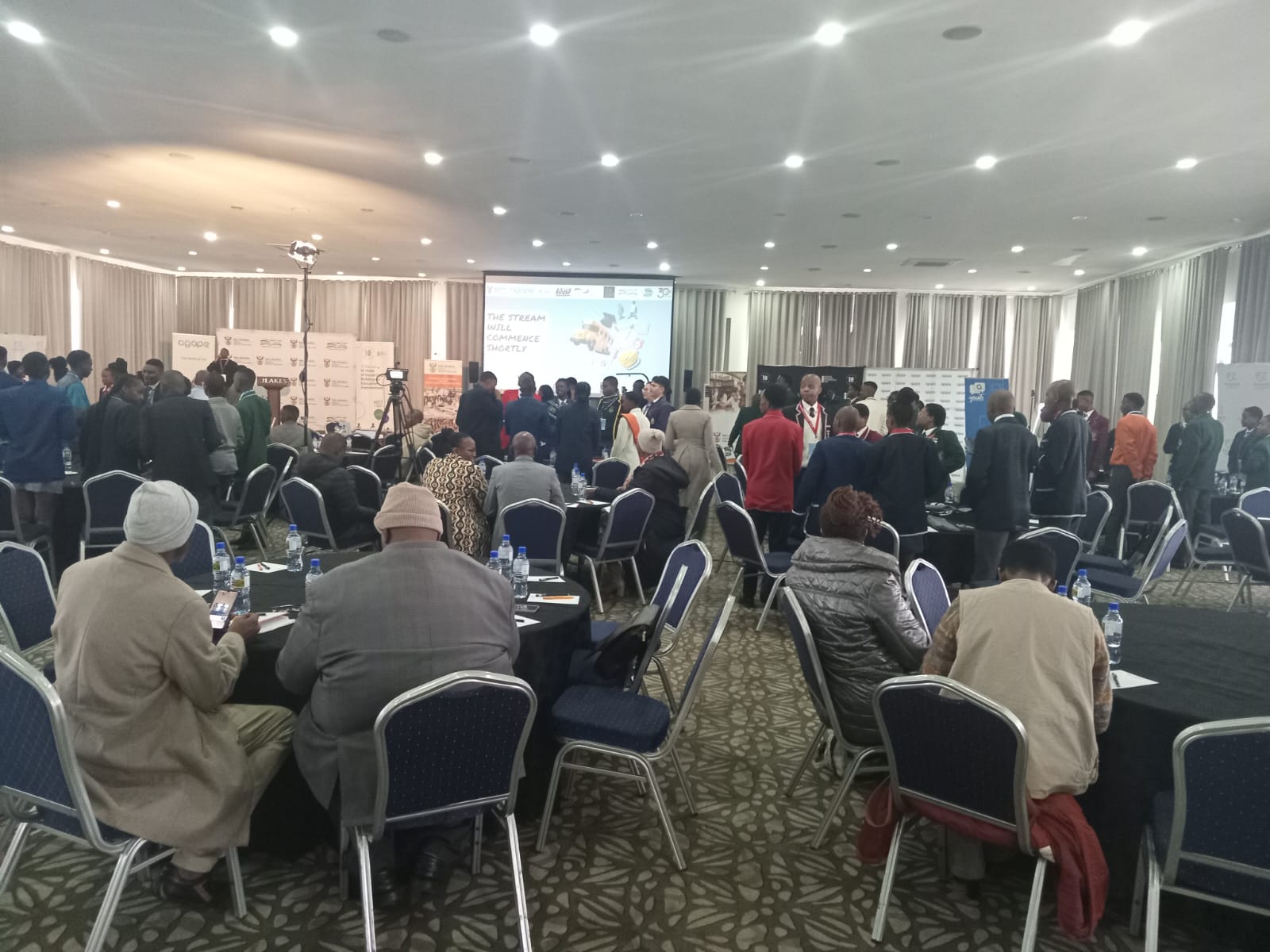
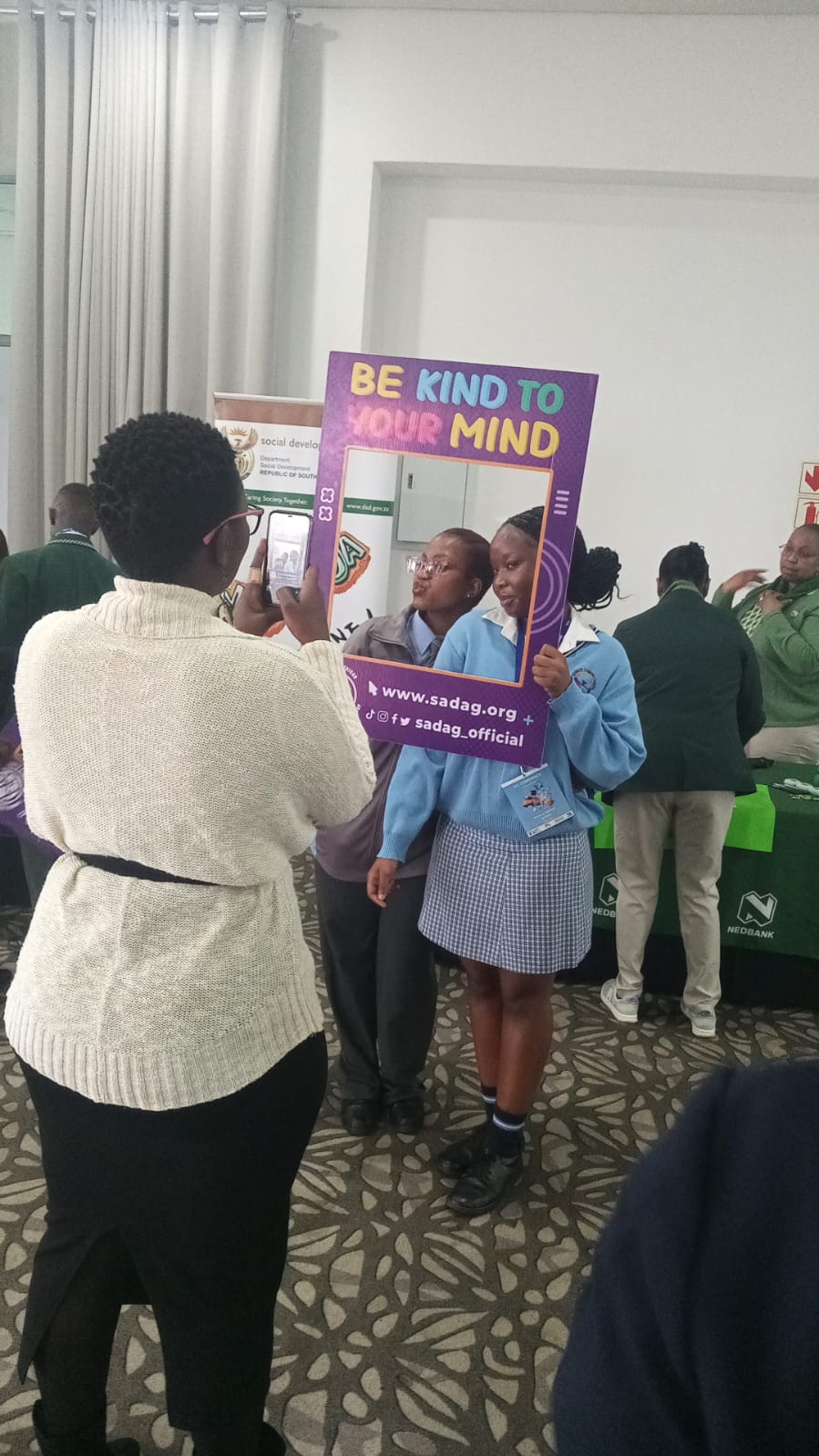
Kindly note these responses to questions 20 and 21 (the questionnaire is not permitting us to respond in the question box): National, local and district learner and marginalised learner representatives have been included in the design of the platform, are participating in user testing and will be implementing communication campaigns around the service (we have attached pictures of the latest RCL - Representative Council of Learners - engagement at their national conference on 28 June) Educators, including disabled and other marginalised educator groups, are being included in design, testing and communication through their unions. These groups will join the services offered on the platform in peer to peer support programmes.