
WHO FCTC Secretariat
Tobacco has a negative impact on the environment
Briefs & Fact Sheets
25 Jan 2022
This video showcases key facts and figures on the impact of tobacco cultivation and smoking on our environment and health.
Briefs & Fact Sheets
25 Jan 2022
This video showcases key facts and figures on the impact of tobacco cultivation and smoking on our environment and health.

Briefs & Fact Sheets
21 Jan 2022
The World Health Organization's Noncommunicable Diseases Kit (NCDK) 2022 is designed to support the treatment of chronic disease patients in emergency settings. It provides essential medicines and medical devices for managing hypertension, cardiac co...
Report
21 Jan 2022
The Global Strategy for Diagnosis, Management and Prevention of COPD is a non-biased review of the current evidence for the assessment, diagnosis, and treatment of COPD that can aid the practicing clinician faced with managing this chronic disease. S...

Publication
12 Jan 2022
To mark the centenary of the discovery of insulin, and with the support of the University of Toronto, the World Health Organization (WHO) and the Government of Canada co-hosted a Global Diabetes Summit on 14 April 2021. The Summit aimed to raise awar...
01 Jan 2022
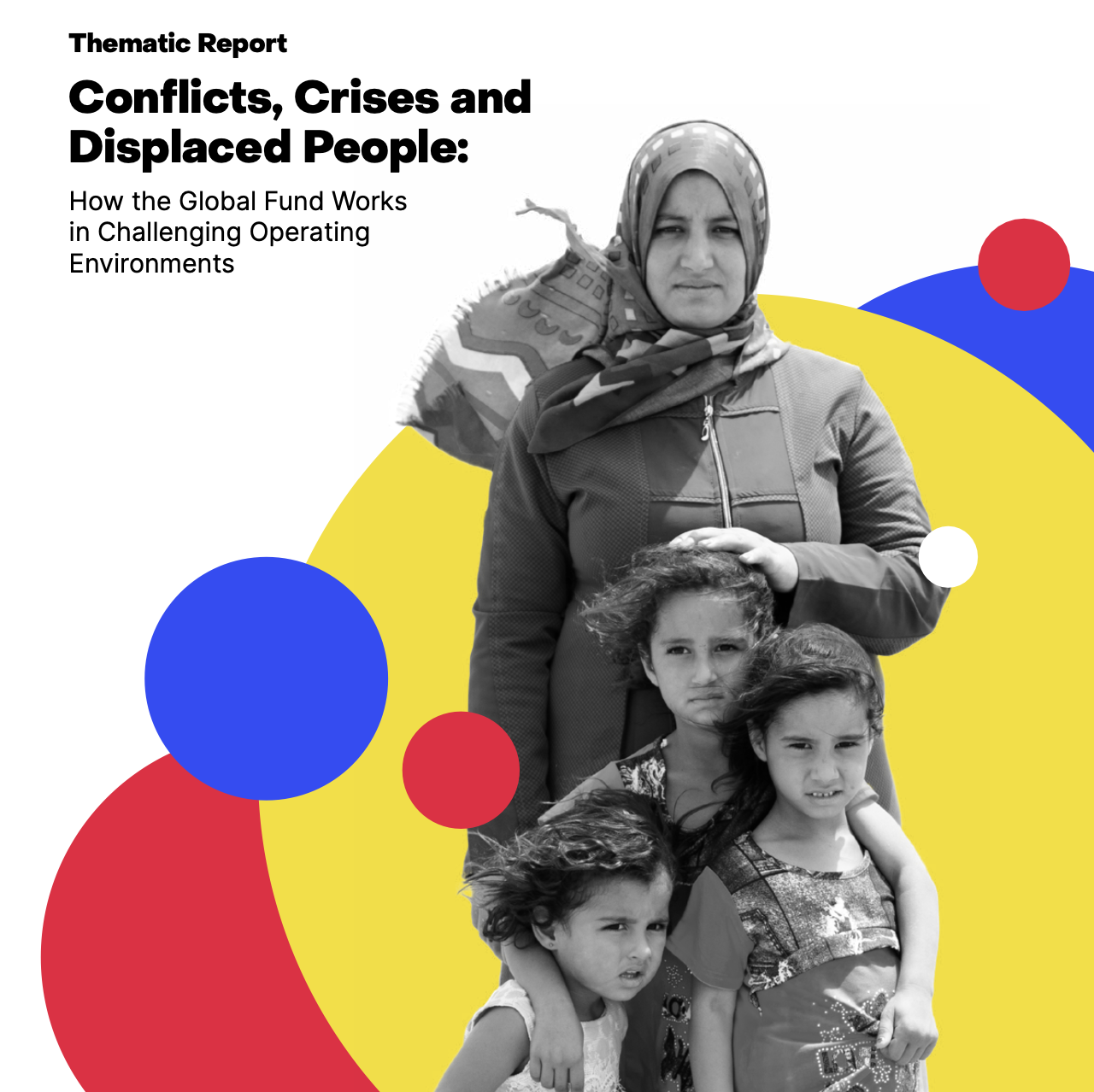
The report covers the Global Fund's approach to fighting HIV, tuberculosis, and malaria in challenging environments like conflict zones and disaster-affected areas and humanitarian settings. It emphasizes the importance of innovative strategies and p...
Guide
28 Dec 2021
Evidence-informed decision-making (EIDM) emphasizes that decisions should be informed by the best available evidence from research, as well as other factors such as context, public opinion, equity, feasibility of implementation, affordability, sustai...

15 Dec 2021
Past epidemics showed us the importance of resilient health systems. The COVID-19 pandemic brought into sharp focus the importance of resilient societies. The 10th Global Conference on Health Promotion on 13-15 December 2021 marked the start of a global movement on the concept of well-being in societies. A focus on well-being encourages different sectors to work together to address global challeng...
15 Dec 2021
15 Dec 2021
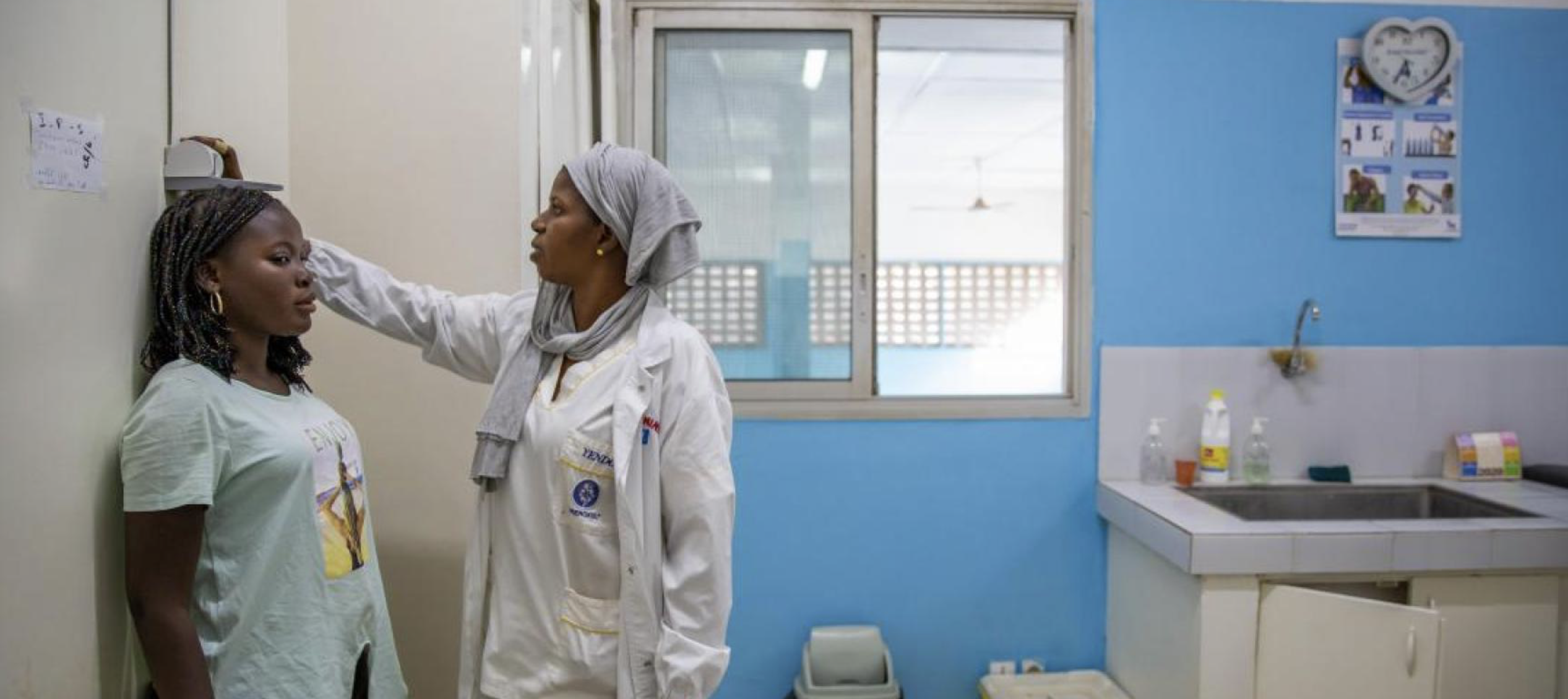
Noncommunicable diseases (NCDs), like cancer, diabetes, and cardiovascular disease and stroke, represent a soaring 74% of global deaths. The legacy of chronic under-investment in NCDs has exacerbated the impact of the COVID-19 pandemic. In 2020, NCDs received only 1.6% of official development assistance (ODA) for health. Given the complexities imposed by the pandemic on global health architectu...
15 Dec 2021
13 Dec 2021
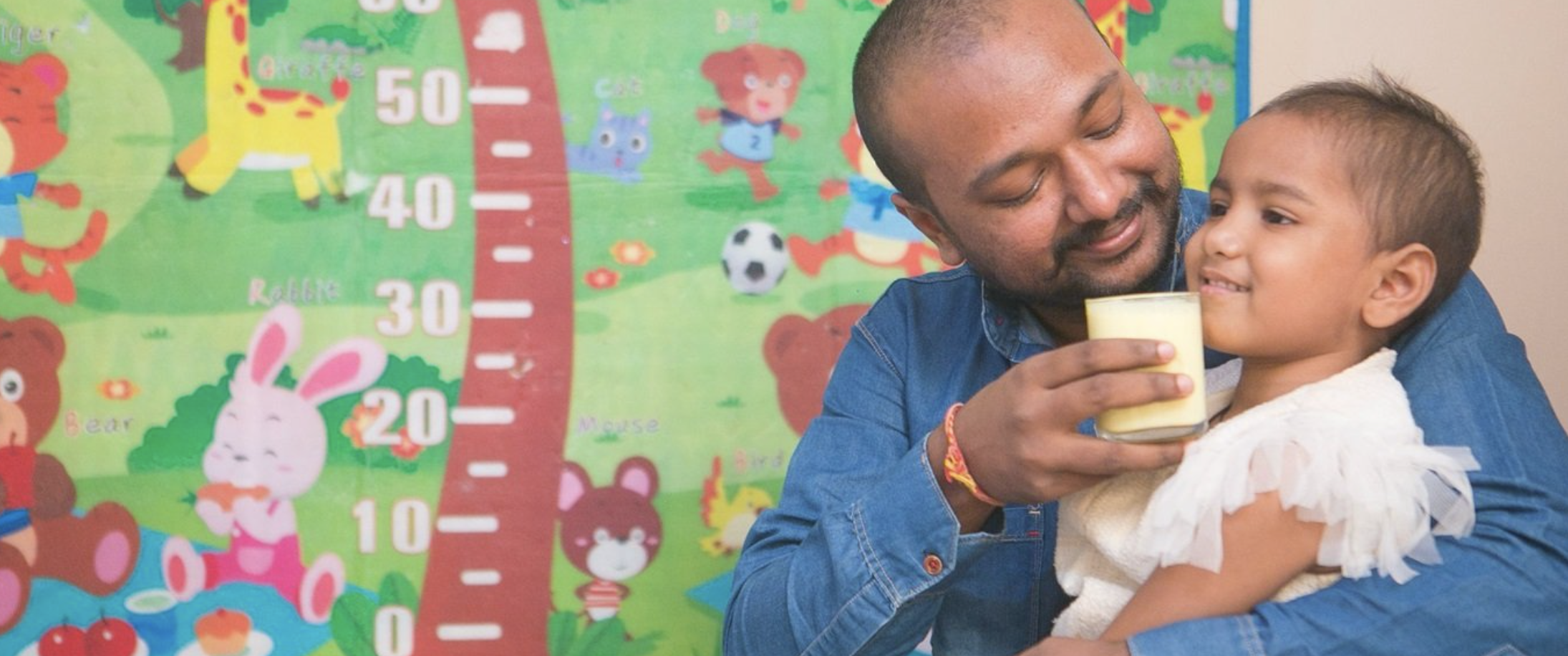
Biggest ever financial commitment to childhood cancer medicines in low- and middle-income countries The World Health Organization and St. Jude Children’s Research Hospital today announced plans to establish a platform that will dramatically increase access to childhood cancer medicines around the world. The Global Platform for Access to Childhood Cancer Medicines, the first of its kind, wi...
13 Dec 2021

13 Dec 2021
A new World Health Organization report shows that close to seven million deaths could be prevented by 2030, if low and lower-middle income countries were to make an additional investment of less than a dollar per person per year in the prevention and treatment of noncommunicable diseases (NCDs). NCDs – which include heart disease, diabetes, cancer, and respiratory disease – currently cause...
13 Dec 2021

Publication
13 Dec 2021
A new World Health Organization report shows that close to seven million deaths could be prevented by 2030, if low and lower-middle income countries were to make an additional investment of less than a dollar per person per year in the prevention and...
Case study
09 Dec 2021
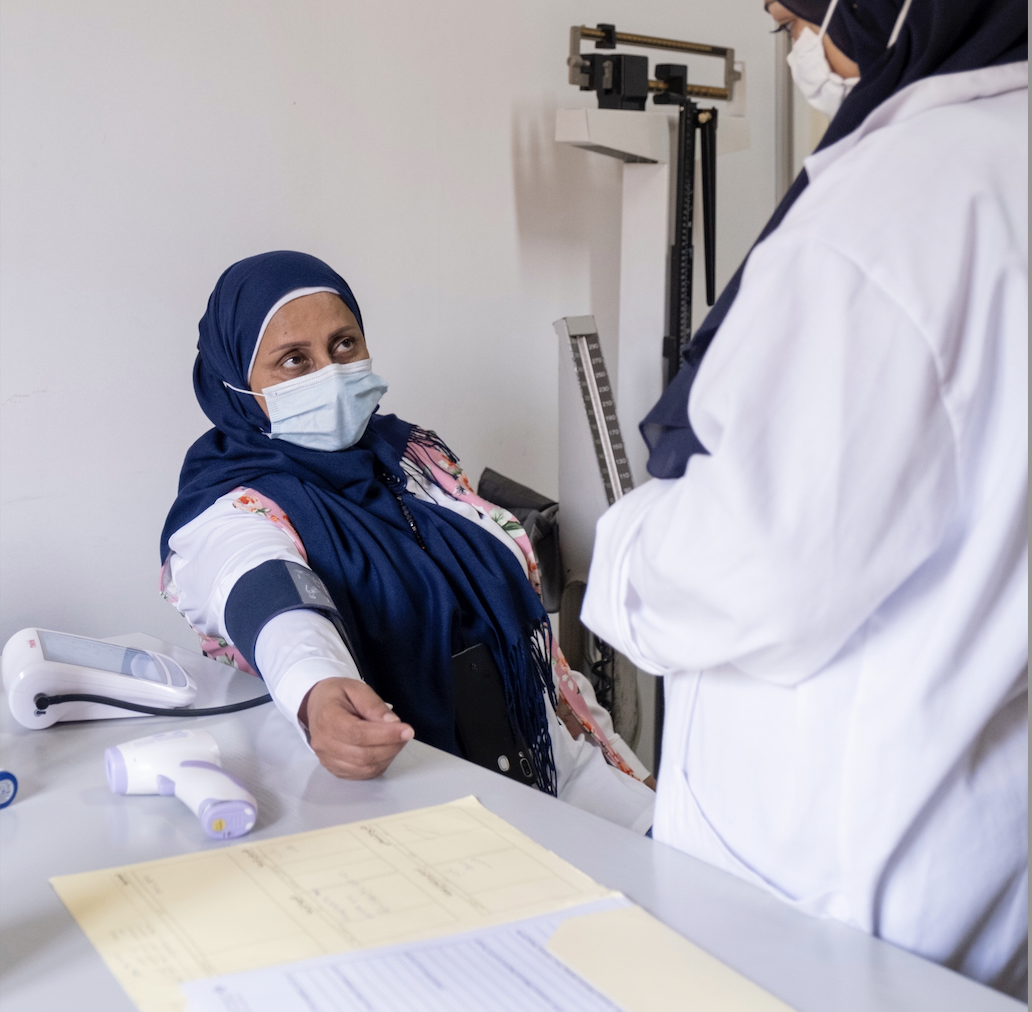
Non-Communicable Diseases (NCDs) are health conditions that cannot be transmitted from one patient to another, and usually manifest a prolonged, persistent, and slow pathology. NCDs are responsible for over 70% of all deaths, with nearly 80% of these...